The Difference Between Commercial and Industrial Cleaning
Commercial cleaning focuses on customer-facing environments like offices, schools, clinics, and retail stores, where the primary goals are hygiene and appearance. Industrial cleaning, however, takes place inside active production zones where chemicals, machines, and hazardous residues require a specialized level of caution. In Mississippi’s industrial landscape, cleaners often work near operating equipment, heavy transportation systems, elevated surfaces, and chemical storage areas. Safety-trained cleaners know how to evaluate a space before starting work, choose the right products, avoid contamination, and recognize dangerous situations that untrained cleaners may never notice.
Safety Challenges Unique to Mississippi Worksites
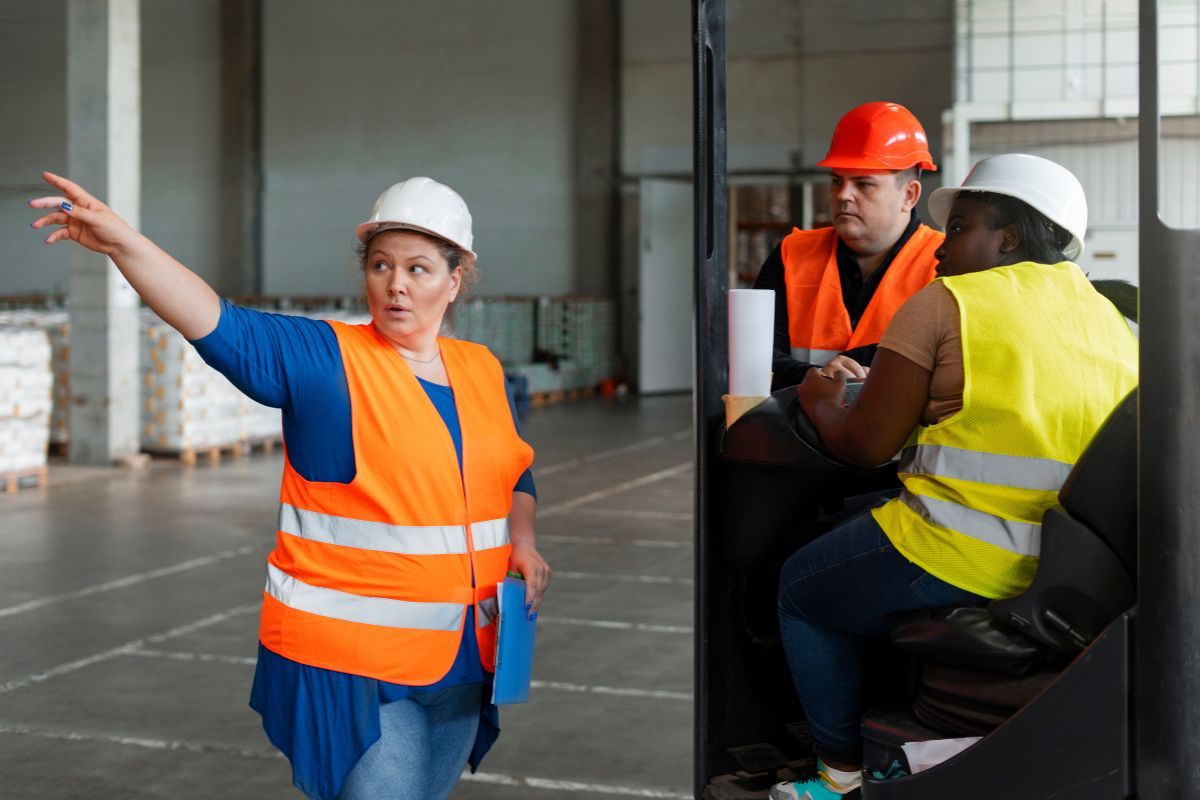
Mississippi’s industrial environments each introduce their own combination of risks. Manufacturing floors involve constant movement of machinery and forklifts, requiring cleaners who stay alert while removing grease, debris, and residue. Food and processing plants demand strict sanitation routines that prevent contamination and align with production standards. Warehouses create challenges involving dust accumulation, high shelving, blind corners, and unstable objects. Repair and fabrication facilities often contain chemicals, fumes, metal shavings, or combustible dust. These diverse environments make it necessary for cleaners to be trained in site-specific safety practices so they can work efficiently while reducing risk.
The Consequences of Untrained Industrial Cleaning Teams
Hiring untrained industrial cleaners may seem cost-effective at first, but the long-term risks are substantial. The most common danger arises from improper interaction with industrial machinery. Many machines remain hazardous even when switched off, and a cleaner who does not understand these risks can unintentionally cause mechanical disruptions, electrical hazards, or personal injury. Chemical misuse presents another serious threat. Industrial cleaning chemicals often require controlled handling, correct dilution, appropriate ventilation, and knowledge of their reactions with other substances. Without training, cleaners may inadvertently create toxic fumes, skin irritations, or air-quality hazards.
Slip and fall incidents also increase dramatically when cleaners do not understand how to handle oils, lubricants, powders, and overspray common in industrial facilities. Confined spaces such as pits, tanks, and silos create even greater danger because they may contain limited oxygen, heat buildup, or toxic gases. Entering such spaces without proper training, equipment, or ventilation can lead to life-threatening situations. Cross-contamination is another concern, especially in industries like food processing, chemicals, and pharmaceuticals, where even minor contamination can disrupt production or compromise safety. An untrained cleaner may carry contaminants from one zone to another simply by using improperly cleaned tools or equipment.
What Proper Safety Training Includes
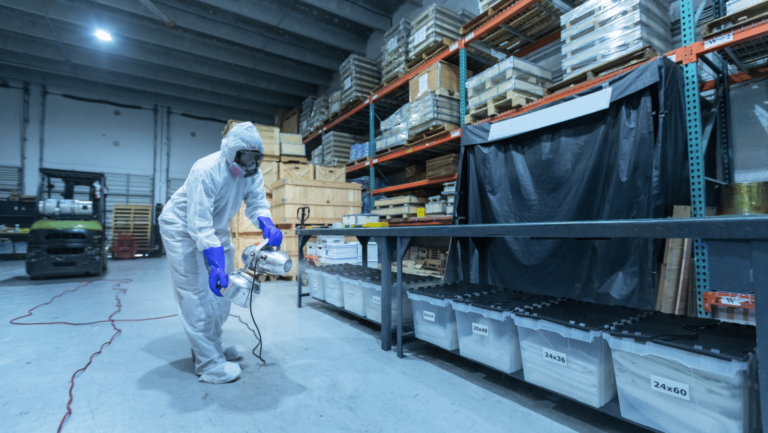
Effective safety training begins with hazard recognition. Before work starts, trained cleaners assess the space, identify risks, and plan which tools, chemicals, and precautions are needed. This initial evaluation prevents dangerous surprises during the cleaning process. Training also teaches cleaners how to safely use industrial equipment such as steam cleaners, floor scrubbers, extractors, and pressure washers. Incorrect equipment use can result in workplace accidents or cause damage to expensive machinery.
Proper PPE (personal protective equipment) handling is another essential component. Safety-trained cleaners understand which tasks require gloves, respirators, goggles, protective suits, or steel-toe boots. They also know how to inspect PPE before use, replace damaged gear, and follow proper hygiene procedures. Training in chemical handling ensures cleaners understand SDS sheets, labeling systems, dilution ratios, storage rules, and emergency responses. Chemical mistakes not only endanger cleaners but can also lead to environmental contamination or costly production shutdowns.
Emergency preparedness is a final but crucial part of safety training. Cleaners may face unexpected events such as equipment malfunctions, chemical spills, or sudden hazards. Training ensures they know exactly what steps to take, how to communicate with supervisors, how to evacuate an area, and how to secure a hazard until the appropriate personnel arrive. This preparedness keeps minor incidents from becoming major emergencies.
Why Mississippi Businesses Benefit from Safety-Trained Cleaners
Mississippi businesses experience numerous advantages when they hire a properly trained industrial cleaning provider. The most immediate benefit is a safer work environment with fewer injuries, fewer claims, and greater employee confidence. Trained cleaners understand the expectations of industrial worksites and help businesses maintain compliance with safety standards. Equipment protection also improves, because trained cleaners avoid the mistakes that cause corrosion, electrical issues, or mechanical damage. A safer, cleaner facility supports better productivity with fewer interruptions caused by spills, accidents, or unplanned shutdowns. Mississippi businesses also reduce their overall liability when their partners follow safety-focused procedures. Cleaner results, improved air quality, and more efficient cleaning processes naturally follow when a trained team handles industrial maintenance.
Conclusion: Safety Training is Essential for Industrial Cleaning Excellence
Industrial cleaning depends on disciplined, knowledgeable professionals who know how to handle hazardous environments safely. Mississippi manufacturers, warehouses, workshops, and processing plants rely on cleaning teams that understand how to protect both people and property. Safety training ensures that cleaners are prepared, responsible, and capable of identifying risks long before they become accidents. When Mississippi businesses choose partners who prioritize safety, they gain reliable operations, fewer disruptions, and a safer work culture for everyone on-site.
For companies seeking a trusted, safety-driven industrial cleaning partner, Griffin Solutions provides highly trained technicians who understand the complex demands of industrial environments. With a commitment to safety, precision, and dependable work quality, Griffin Solutions helps Mississippi facilities stay clean, compliant, and protected every single day.