Walk into any industrial facility in Mississippi in July and you feel it before you see it. The air is thick. Surfaces feel damp even when they haven’t been washed. Equipment that was clean on Monday looks grimy by Thursday. And cleaning products that work perfectly in drier climates seem to underperform here without any obvious reason.
This is not a perception problem. Mississippi’s climate creates a set of industrial cleaning conditions that are genuinely different from most of the country — and most industrial cleaning guides, most national franchise contractors, and most generic cleaning schedules were not written with this state’s environment in mind.
If you manage a manufacturing plant, warehouse, paper mill, or processing facility in Mississippi, understanding how humidity affects your facility’s cleaning needs is not optional knowledge. It directly affects your compliance posture, your equipment lifespan, your air quality, and the safety of your workers.
This post breaks down exactly what Mississippi’s humidity does to industrial environments, why it makes industrial cleaning harder, and what the right approach looks like when you account for it properly.
How Bad Is Mississippi’s Humidity — By the Numbers
Mississippi consistently ranks among the most humid states in the continental United States. Average relative humidity across the state sits between 70 and 80 percent for most of the year. During summer months, particularly June through September, outdoor humidity regularly exceeds 85 percent — and in low-lying areas of the state, it pushes even higher.
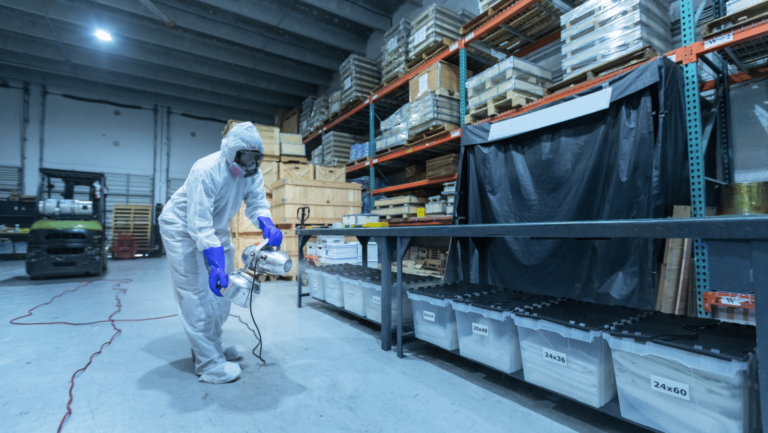
Indoor industrial environments partially buffer this through HVAC and ventilation, but most heavy industrial spaces — warehouses, processing floors, loading areas, outdoor-adjacent zones — are not sealed environments. They breathe with the outside air. Delivery bays open and close dozens of times per day. Exhaust fans pull ambient air through the building. Workers move in and out.
The result is that the average Mississippi industrial facility operates at sustained indoor humidity levels significantly higher than facilities in the Midwest, Southwest, or Mountain states — sometimes 15 to 25 percentage points higher on a typical summer workday.
That gap matters more than most facility managers realize.
What High Humidity Actually Does to an Industrial Facility
It Makes Dust Stick — And Stay
In low-humidity environments, dust particles are dry and relatively easy to displace with standard sweeping, blowing, or vacuuming. In high-humidity environments, dust particles absorb moisture from the air and become heavier, stickier, and more adhesive to surfaces.
This means that the dust accumulating on your ceiling beams, ductwork, conveyor frames, and elevated racking in a Mississippi facility is not the same material you would find in an Arizona plant. It is denser, harder to remove with dry methods, and bonds more aggressively to metal surfaces over time. Standard dry sweeping or compressed air simply redistributes it. Effective removal requires different methods — wet suppression techniques, vacuum extraction, or specialized industrial cleaning approaches that account for moisture-laden particulate.
For paper mills and grain processing facilities in Mississippi, this effect is compounded by the nature of the dust itself — cellulose and grain dust are hygroscopic, meaning they actively absorb atmospheric moisture. In a high-humidity environment, these materials accumulate faster, clump more aggressively, and create denser deposits on surfaces than the same operations would experience in drier climates.
It Accelerates Corrosion on Steel and Metal Surfaces
Rust and corrosion require two things: metal and moisture. Mississippi provides the moisture in abundance. When cleaning residue — water, cleaning chemicals, condensation — is left on steel flooring, racking, equipment frames, or fasteners in a high-humidity environment, the oxidation process runs significantly faster than it would in a drier climate.
This is a direct consequence of how industrial cleaning is performed, not just of the climate itself. Cleaning methods that leave standing moisture on metal surfaces in Mississippi create accelerated corrosion risk. Proper industrial cleaning in this state requires attention to drying and moisture removal that contractors in other regions may not think to include as a standard step.
The practical implication for facility managers is that the cleaning method matters as much as the cleaning frequency. A poorly executed high-pressure wash that soaks a steel production floor without adequate drainage or drying can accelerate the very deterioration you are trying to prevent.
It Creates Conditions for Mold and Microbial Growth
Mold requires moisture and an organic food source. Mississippi industrial facilities, particularly those handling paper pulp, wood, grain, food products, or organic waste, provide both in abundance. When surface moisture persists — on concrete flooring, in drainage channels, inside equipment with poor airflow, in ceiling corners with condensation — mold establishes itself faster in Mississippi’s climate than almost anywhere else in the country.
In food-adjacent industrial facilities, mold is a compliance issue. In facilities where workers spend long shifts, it is a respiratory health concern. In paper and pulp operations, it is an ongoing operational challenge that requires active management rather than occasional intervention.
Standard cleaning schedules designed for drier climates typically underestimate mold risk in Mississippi environments. Effective industrial cleaning programs for this state specifically address moisture management, drainage maintenance, and surface treatment in ways that account for the speed at which biological growth can establish itself here.
It Reduces the Effectiveness of Some Cleaning Products
Cleaning chemistry is formulated for conditions. Many industrial degreasers, disinfectants, and surface treatments are tested and rated under standard atmospheric conditions — typically around 50 percent relative humidity. In a Mississippi industrial environment running at 75 to 85 percent relative humidity, several things change.
Water-based cleaning products dilute more aggressively in high-moisture air. Certain solvent-based products evaporate more slowly, which affects dwell time and surface residue. Disinfectants applied to surfaces with ambient moisture contamination may be compromised before they fully activate. And some flooring treatments and coatings applied in high-humidity conditions fail to bond properly, resulting in shorter effective lifespans than the product specifications suggest.
Professional industrial cleaning specialists who work in Mississippi should account for these variables in their product selection, application methods, and scheduling — not apply the same formulations and techniques they would use in a climate-controlled commercial building.
The Six Areas Where Mississippi Humidity Creates the Biggest Problems
Elevated Surfaces and Overhead Structures
Humidity-laden dust accumulates faster on ceiling beams, roof trusses, overhead conveyors, lighting fixtures, and HVAC ductwork than facility managers typically expect. Because these surfaces are out of sight, the buildup goes unnoticed until it becomes a visible problem — or, in paper mills and grain facilities, a combustion hazard.
In Mississippi’s climate, the recommended inspection and cleaning frequency for elevated surfaces is higher than in drier states. Industrial cleaning contractors who have worked in this environment know to check these surfaces more regularly and to use wet-extraction or vacuum methods rather than dry blowing that simply redistributes moisture-heavy particulate into the air.
Concrete and Epoxy Flooring
Mississippi’s heat and humidity create thermal cycling in large industrial buildings — cool night temperatures giving way to hot, humid days — that causes expansion and contraction in concrete flooring systems. When cleaning residue accumulates in the microcracks and surface imperfections that result from this cycling, the degradation compounds. Grease in cracks is harder to remove than surface grease, and in a high-humidity environment it bonds differently to concrete than it does in dry conditions.
Epoxy flooring systems are particularly vulnerable. Improperly cleaned epoxy floors in high-humidity conditions can develop adhesion failures and surface lifting over time. Industrial cleaning specialists who understand this apply appropriate floor care techniques that clean thoroughly without compromising the coating system.
Equipment with Enclosed Housings and Poor Airflow
Machinery with enclosed motor housings, gear assemblies, or internal cavities that have limited airflow is a persistent problem in Mississippi industrial environments. Moisture condenses inside these enclosures during temperature changes and never fully dries out. Over time, this internal moisture combines with dust and lubricant residue to create contamination that accelerates component wear and creates thermal management problems.
Addressing this requires industrial cleaning that goes beyond surface wiping — accessing and cleaning the interiors of equipment housings using appropriate dry methods, ensuring adequate ventilation, and identifying the moisture infiltration points that allow condensation to accumulate.
Drainage Systems and Floor Sumps
Mississippi’s humidity combined with industrial processes creates persistently wet drainage systems. Floor drains and sumps that might run relatively dry in an Arizona or Nevada facility are constantly managing moisture in a Mississippi plant. Organic material accumulates faster in wet drainage conditions, biological growth establishes itself more aggressively, and odor problems develop more quickly.
Industrial cleaning programs for Mississippi facilities should include more frequent drainage maintenance than standard national schedules recommend — jetting, vacuuming, and biological treatment of drain channels as a regular part of the cleaning cycle rather than an occasional add-on.
Loading Docks and Transition Zones
Loading docks in Mississippi industrial facilities experience a constant exchange of outdoor humidity and indoor climate. Every time a bay door opens, humid outside air enters. Truck bodies and trailers that have been sitting in Mississippi heat contribute additional moisture load. The concrete and steel surfaces of dock areas absorb this moisture, and the combination of humidity, vehicle exhaust, oil drips, and tire rubber creates a surface contamination environment that requires more frequent and more aggressive cleaning than the same areas in drier climates.
High-pressure hot water washing of dock areas is particularly effective in Mississippi conditions because the thermal component of the wash breaks down the humidity-bonded contamination that cold-water pressure cannot fully address.
Tanks and Vessels Used for Liquid or Chemical Storage
The exterior of tanks and vessels in Mississippi industrial environments frequently shows accelerated corrosion compared to similar equipment in drier regions. More critically, the interiors of tanks used for chemical, fuel, oil, or process water storage accumulate moisture-related contamination at a faster rate. Water intrusion is more common. Biological growth in tanks is more aggressive. And the cleaning intervals that keep tanks in compliant condition in other states may be insufficient in Mississippi’s climate.
What the Right Approach Looks Like
Understanding how Mississippi’s humidity affects your facility leads directly to the question of what to do about it. The following principles guide effective industrial cleaning in this state’s climate:
Schedule cleaning around humidity, not just around production. The highest-humidity periods in Mississippi — summer mornings and evenings when temperature differentials create maximum condensation — are the worst times to leave surfaces wet after cleaning. Scheduling intensive cleaning work during drier periods of the day or using appropriate drying and moisture-control steps after cleaning reduces the secondary damage that cleaning itself can cause.
Use hot water, not cold water, for pressure washing. Hot water pressure washing breaks the bond between moisture-heavy contamination and surfaces far more effectively than cold water. In Mississippi conditions, the difference in cleaning effectiveness between hot and cold pressure washing is more significant than in drier climates. Industrial cleaning business operations that bring dedicated hot water pressure washing capability to Mississippi jobs consistently deliver better results than those relying on cold-water equipment.
Invest in elevated surface cleaning more frequently than national schedules suggest. The standard recommendation of quarterly elevated surface cleaning is often insufficient for Mississippi industrial facilities, particularly those in the paper, wood, grain, or food processing sectors. Bimonthly or monthly elevated cleaning is more appropriate in many cases, and the investment is justified by the compounding contamination problems that quarterly schedules allow to develop.
Address drainage as a primary cleaning task, not an afterthought. Mississippi’s climate makes drainage maintenance more critical than in other states. Facilities that include regular drain jetting and biological treatment in their cleaning programs avoid the escalating costs of emergency drain response and the compliance exposure of drainage overflow incidents.
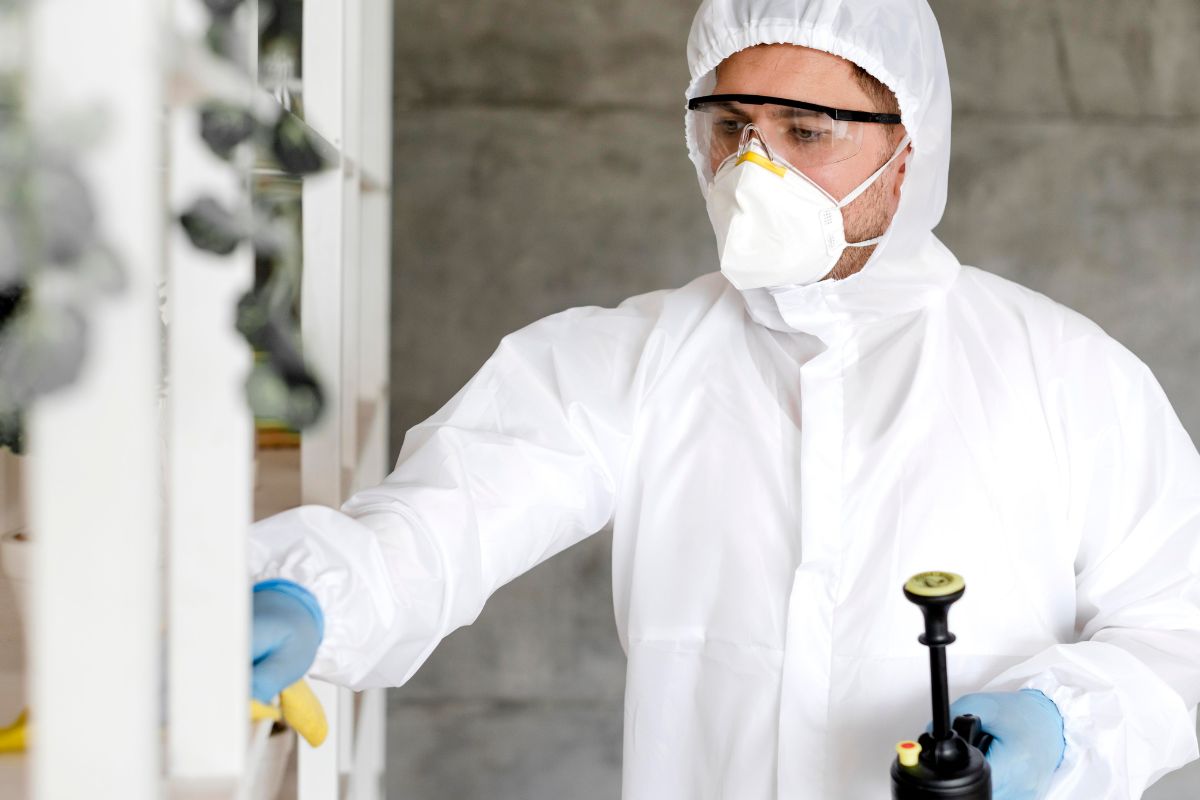
Require moisture management from your industrial cleaning contractors. The cleaning process itself should not leave surfaces wetter than necessary. Industrial cleaning specialists who understand Mississippi conditions use appropriate squeegees, air movers, and staged drying steps after wet cleaning operations — not as extras, but as standard practice.
Match cleaning chemistry to ambient conditions. Cleaning products should be selected based on the actual temperature and humidity conditions of your facility, not just on the surface or contamination type being addressed. Industrial cleaning experts with genuine field experience in Mississippi know which formulations perform reliably in high-humidity environments and which products routinely underperform here.
What This Means When You Are Hiring an Industrial Cleaning Company Near You
If you are evaluating industrial cleaning contractors in Mississippi, humidity-specific knowledge is one of the most important things to probe during your evaluation. Ask directly:
How do you adjust your cleaning methods for Mississippi’s humidity?
What hot water pressure washing capability do you bring on-site?
How do you handle surface drying after wet cleaning operations?
How frequently do you recommend elevated surface cleaning for our type of facility?
What cleaning products do you select for high-humidity environments, and why?
A contractor who gives you generic answers that could apply anywhere in the country is giving you a strong signal that they have not done this work seriously in Mississippi conditions. An industrial cleaning company that has genuinely operated in this state’s industrial sector — dealing with paper mills outside Brookhaven, warehouses along I-55, manufacturing plants in the Jackson metro — will have specific, experience-based answers to every one of these questions.
Professional industrial cleaning in Mississippi facilities are not just about cleaning products and schedules. They are about understanding the environment your facility operates in and building a cleaning program that accounts for the specific conditions — including the humidity that makes this state’s industrial cleaning needs meaningfully different from the rest of the country.
Conclusion
Mississippi’s humidity is not a minor inconvenience. It is an active factor in how fast your facility gets dirty, how aggressively corrosion and mold develop, how effectively cleaning products work, and how quickly elevated dust becomes a hazard. Ignoring it — or hiring an industrial cleaning company that ignores it — means spending more on cleaning while getting worse results.
Griffin Solutions has been providing industrial cleaning services across Mississippi since 2004. Based in Silver Creek, MS, our industrial cleaning specialists have spent two decades working in this state’s climate — in paper mills, manufacturing plants, warehouses, and processing facilities where Mississippi’s humidity is not a footnote but a daily operating reality. We build our cleaning schedules, product selections, and methods around the actual conditions of Mississippi industrial environments, not around generic templates designed for facilities in other parts of the country.
If your facility is dealing with contamination problems, compliance concerns, or a cleaning program that simply is not keeping up with Mississippi’s conditions, contact Griffin Solutions at 601-754-0477 or visit griffinsolutions.pro to request a free site assessment.