Waste segregation is not only a best practice—it is a compliance requirement for many commercial and industrial facilities. In Mississippi, businesses are expected to manage waste responsibly to protect employees, the environment, and surrounding communities.
Understanding waste segregation regulations helps organizations avoid penalties, reduce risk, and maintain safe, compliant operations.
Why Waste Segregation Is a Compliance Issue
When waste is not properly segregated, facilities face:
Safety hazards for employees
Environmental contamination risks
Regulatory violations and fines
Operational disruptions
Segregation ensures that each waste type is handled according to its risk level and disposal requirements, which is a core expectation of environmental and safety oversight.
Overview of Waste Segregation Compliance Expectations
While requirements vary by waste type, most regulations focus on the same core principles:
Separation of hazardous and non-hazardous waste
Proper labeling and storage of regulated materials
Prevention of waste mixing and contamination
Safe handling and disposal practices
Failure to meet these expectations can expose businesses to audits, citations, and enforcement actions.
Regulated Waste Streams That Require Segregation
Certain waste types receive greater regulatory attention due to their potential impact.
Hazardous Waste
Hazardous materials must be segregated from all other waste to prevent exposure and environmental harm. Improper handling is one of the most common causes of compliance violations.
Industrial Process Waste
Manufacturing by-products often require controlled segregation based on material composition and disposal rules.
Construction & Demolition Waste
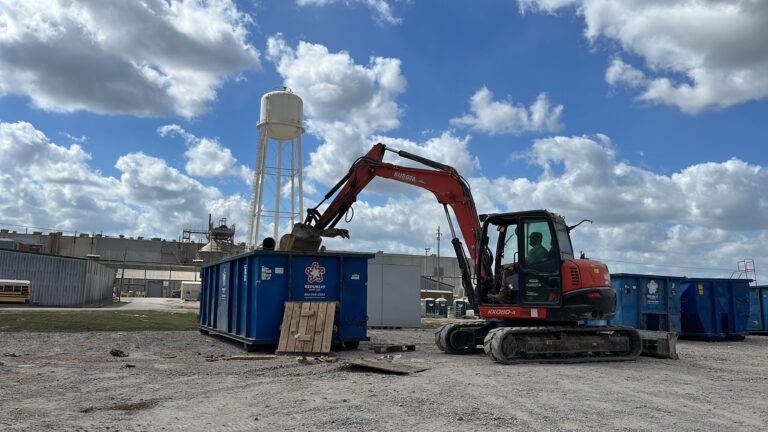
Construction sites must separate debris types to ensure proper disposal and reduce landfill impact.
Electronic & Battery Waste
These materials require special handling and cannot be mixed with general waste.
Proper segregation of these waste streams is essential to meeting regulatory expectations.
Storage, Labeling, and Handling Requirements
Compliance goes beyond separation alone. Facilities must also ensure:
Clearly labeled waste containers
Secure storage areas for regulated waste
Controlled access to hazardous materials
Safe internal transport of waste
Labeling errors and improper storage are common compliance failures that can be avoided with structured systems.
Inspections, Audits, and Documentation
Facilities may be subject to inspections or audits related to waste handling. Proper waste segregation supports:
Clear documentation of waste streams
Consistent handling procedures
Reduced risk during inspections
Faster issue resolution
Well-organized segregation systems demonstrate due diligence and operational control.
Common Compliance Mistakes Businesses Make
Many compliance issues arise from avoidable mistakes, including:
Mixing hazardous and general waste
Inadequate bin labeling
Poorly defined segregation procedures
Lack of oversight or review
These gaps increase liability and make compliance difficult to maintain.
How Professional Waste Segregation Services Support Compliance
Maintaining compliance requires consistency and expertise. Professional waste segregation services help businesses by:
Identifying regulated waste streams
Designing compliant segregation plans
Implementing clear bin and labeling systems
Supporting long-term compliance and risk reduction
Facilities that rely on structured, professional solutions are better equipped to meet regulatory expectations.
Supporting Safe, Compliant Operations Through Segregation
Waste segregation is a key component of:
Workplace safety programs
Environmental responsibility
Regulatory compliance strategies
Operational risk management
Businesses that take a proactive approach to segregation operate with greater confidence and stability.
For organizations seeking reliable, compliance-focused waste segregation solutions, Griffin Solutions provides professional services tailored to commercial and industrial facilities across Mississippi.
Learn more about our reliable waste segregation solutions and how we help businesses operate safely and compliantly.