Managing a warehouse involves much more than coordinating inventory and shipments. Facility managers must ensure that the environment remains safe, organized, and operationally efficient at all times. Warehouses experience constant movement of forklifts, pallets, workers, and equipment, which means surfaces, storage systems, and infrastructure can quickly develop wear or contamination.
Without consistent inspections and maintenance routines, small issues such as dust buildup, debris accumulation, or equipment residue can gradually lead to safety hazards and operational disruptions. Implementing a structured warehouse maintenance checklist allows facility managers to monitor conditions regularly and address problems before they affect productivity or safety.
A well-designed checklist helps ensure that essential maintenance tasks are performed consistently across the facility.
Why a Warehouse Maintenance Checklist Is Important
Warehouses operate in dynamic industrial environments where even minor issues can escalate quickly. Dust, loose packaging materials, damaged racks, and spills are common in busy facilities. If these problems are not addressed promptly, they can create hazards for employees and interfere with daily operations.
Regular maintenance inspections help identify these risks early. Maintaining clean floors, organized storage areas, and unobstructed pathways improves safety and reduces the likelihood of accidents.
Consistent facility maintenance also supports workplace safety expectations associated with the Occupational Safety and Health Administration (OSHA). While maintenance alone does not guarantee compliance, maintaining clean working surfaces and safe pathways contributes to hazard prevention and operational accountability.
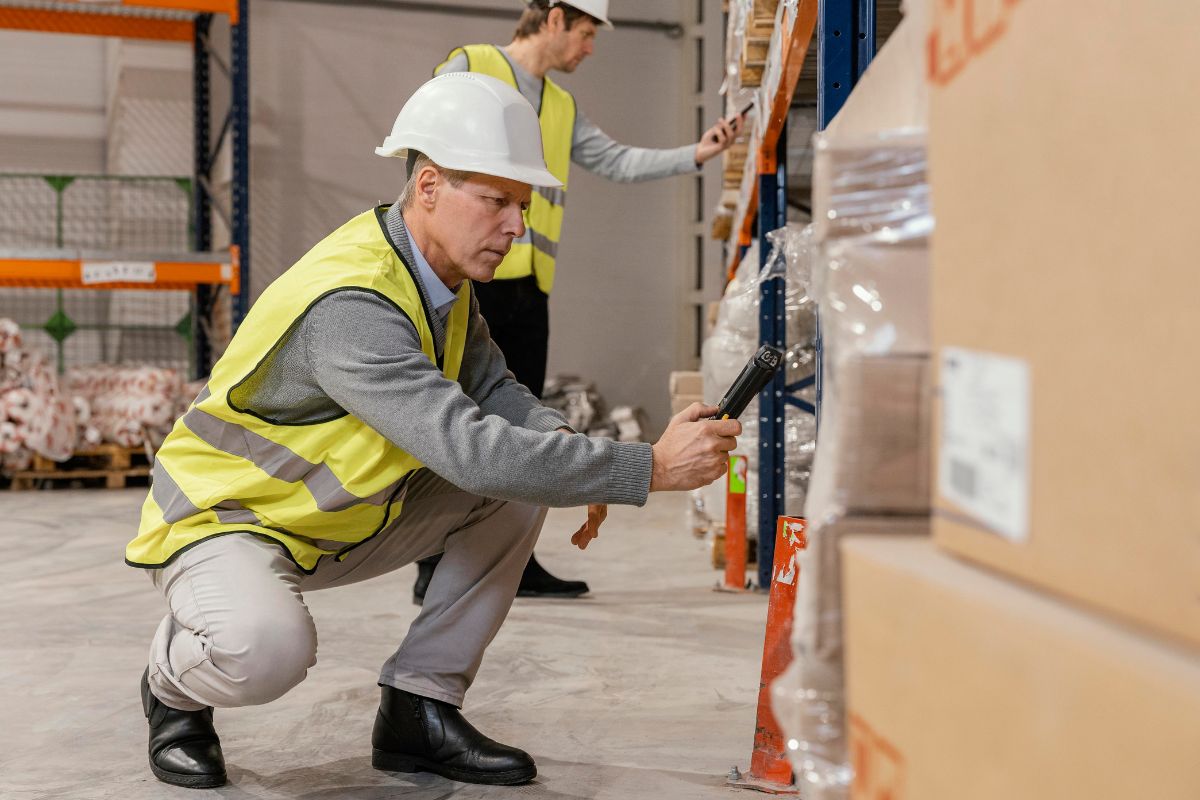
A checklist ensures that facility managers review all important areas of the warehouse rather than relying on occasional inspections.
Daily Warehouse Maintenance Checks
Daily inspections focus on areas where activity is highest and hazards are most likely to occur. Because warehouses operate continuously, these checks help maintain safe working conditions throughout the day.
Facility managers or supervisors should begin by inspecting warehouse floors for debris, packaging materials, and spills. Loose materials left on the floor can create slip hazards or interfere with forklift traffic. Quick cleanup helps maintain safe walking and working surfaces.
Walkways and forklift lanes should also remain clear of obstacles. Properly marked traffic routes ensure safe movement of both equipment and personnel throughout the facility.
Loading dock areas require regular attention as well. Incoming and outgoing shipments often leave behind packaging waste, pallet fragments, and loose materials. Keeping docks clean helps maintain efficient workflow and prevents clutter from spreading into warehouse aisles.
Emergency exits and safety signage should be checked daily to confirm they remain visible and unobstructed. Clear exit paths are critical for emergency preparedness.
Daily maintenance inspections provide an essential first line of defense against workplace hazards.
Weekly Warehouse Maintenance Tasks
Weekly maintenance inspections allow facility managers to evaluate broader facility conditions beyond the high-traffic areas addressed during daily checks.
Storage racks should be inspected for signs of damage, such as bent beams or loose connections caused by forklift contact. Rack stability is critical for protecting both employees and stored goods.
Equipment areas should also be evaluated for dust accumulation, grease residue, or debris buildup around machinery. Cleaning these areas helps maintain proper equipment performance and reduces the risk of mechanical issues.
Lighting fixtures and warehouse visibility should be reviewed as well. Dust accumulation on lighting systems can reduce brightness and affect worker visibility, especially in large storage facilities.
Waste handling areas and recycling zones should be inspected to ensure proper organization. Overflowing containers or poorly managed waste areas can quickly lead to clutter and contamination throughout the facility.
Weekly maintenance checks help maintain organization and keep warehouse operations running efficiently.
Monthly Warehouse Maintenance Inspections
Monthly inspections allow facility managers to conduct deeper evaluations of warehouse infrastructure and cleanliness. These inspections often identify issues that develop gradually over time.
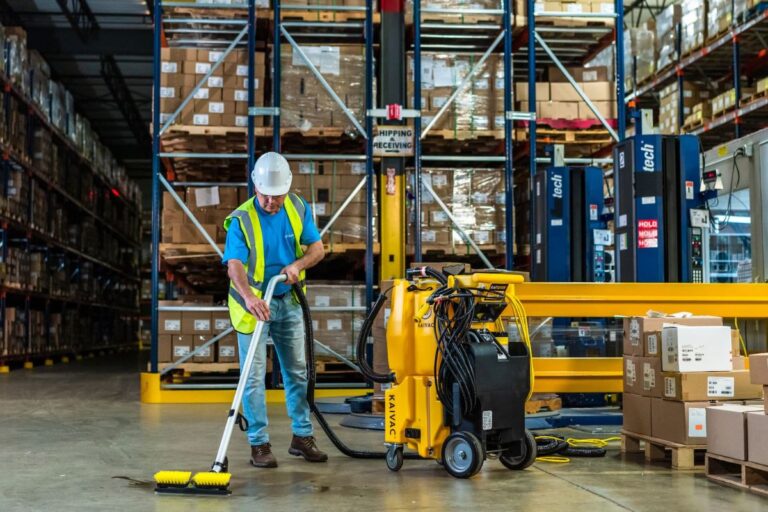
Warehouse floors should be evaluated for wear, stains, or contamination that routine cleaning may not fully remove. Industrial floor scrubbing may be necessary to restore traction and remove embedded debris.
Facility managers should also inspect floor markings, pedestrian lanes, and safety indicators. These markings guide forklift traffic and employee movement throughout the warehouse, so maintaining their visibility is essential for workplace safety.
Storage areas should be reviewed for organization and proper spacing between racks and aisles. Cluttered storage areas can reduce efficiency and increase the likelihood of accidents.
Monthly maintenance also provides an opportunity to review overall facility cleanliness and address areas that may require deeper cleaning.
High-Dust and Overhead Area Inspections
Warehouse ceilings and elevated structures often collect dust that goes unnoticed during routine floor cleaning. Overhead beams, lighting fixtures, ventilation ducts, and upper storage racks can accumulate fine dust particles over time.
Eventually, this dust falls back onto floors, inventory, and equipment, contributing to contamination and poor air quality. Periodic inspection of these elevated areas helps facility managers determine when high-dust removal services are needed.
Maintaining clean overhead structures improves warehouse air quality and reduces the amount of dust circulating throughout the facility.
Equipment and Machinery Maintenance Checks
Material handling equipment operates constantly in warehouse environments. Forklifts, conveyors, pallet jacks, and dock equipment should be inspected regularly to ensure that debris or contamination does not interfere with performance.
Cleaning equipment areas helps prevent dust accumulation and reduces the likelihood of equipment malfunctions. Facility managers should monitor for leaks, residue buildup, or excessive debris around machinery.
Keeping equipment zones clean also improves operational efficiency and reduces unnecessary maintenance costs.
Exterior Warehouse Maintenance
Warehouse maintenance extends beyond the interior facility. Exterior areas such as parking lots, loading zones, and entryways should also be inspected regularly.
Debris in parking areas or loading docks can create hazards for trucks and delivery personnel. Storm debris, loose materials, or damaged pavement should be addressed promptly to maintain safe access to the facility.
Clean exterior areas also contribute to a more professional appearance for visiting drivers, inspectors, and clients.
Creating a Consistent Maintenance Routine
The most effective warehouse maintenance programs follow a consistent routine that combines daily checks, weekly inspections, and monthly evaluations. This structured approach allows facility managers to identify issues early and address them before they escalate.
By monitoring high-traffic zones regularly and conducting deeper inspections periodically, warehouses maintain cleaner, safer environments while avoiding unexpected operational disruptions.
Consistent maintenance also improves organization and workflow, helping employees perform their tasks more efficiently.
When Professional Warehouse Cleaning Services Are Beneficial
Large industrial warehouses often require specialized equipment and experienced cleaning teams to maintain consistent standards. Industrial floor scrubbers, high-dust removal systems, and structured cleaning programs help facilities manage maintenance more effectively.
Professional cleaning services can support routine maintenance, deep cleaning, and emergency cleanup when unexpected issues arise.
For facilities seeking dependable warehouse cleaning and maintenance support in Mississippi, Griffin Solutions provides professional services designed for commercial and industrial environments.
Our team helps warehouses maintain safe, organized facilities through reliable cleaning and maintenance programs tailored to operational needs.
Final Thoughts
A warehouse maintenance checklist provides facility managers with a practical framework for maintaining safe and efficient working environments. By conducting regular inspections and addressing potential issues early, warehouses can prevent accidents, protect equipment, and maintain organized operations.
Consistent maintenance ultimately supports productivity, protects employees, and helps facilities operate at their highest potential.