

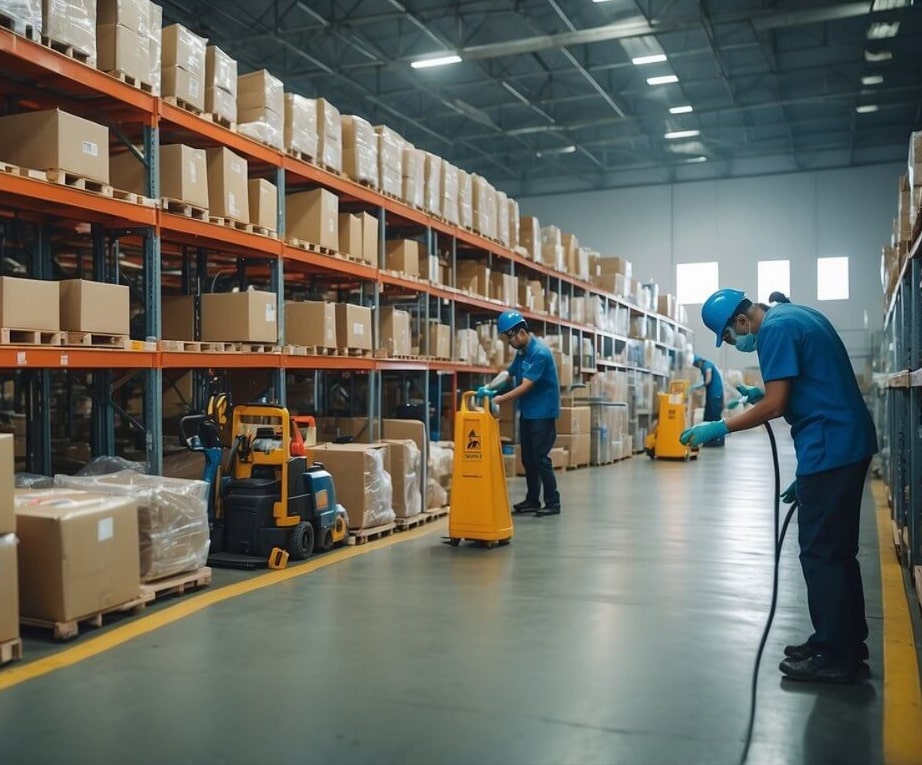
Warehouse cleaning is not a one-size-fits-all task. Different areas within a facility experience different levels of activity, contamination, and risk. While some zones require daily attention, others can be cleaned less frequently without compromising safety or efficiency.
Understanding how often each area of a warehouse should be cleaned helps facility managers create a balanced maintenance strategy that supports safety, compliance, and operational performance.
Why Cleaning Frequency Should Vary by Area
Warehouses are made up of multiple functional zones, each with its own level of activity. High-traffic areas such as forklift lanes and loading docks accumulate debris quickly, while storage areas may remain relatively clean for longer periods.
Applying the same cleaning frequency across the entire facility can either waste resources or leave critical areas under-maintained. A targeted approach ensures that cleaning efforts are focused where they are needed most.
Maintaining appropriate cleaning schedules also supports safer working conditions and aligns with general workplace safety expectations associated with the Occupational Safety and Health Administration (OSHA).
High-Traffic Floor Areas (Daily to Multiple Times Per Day)
Forklift lanes, main aisles, and staging zones experience constant movement. These areas accumulate dust, tire residue, packaging debris, and occasional spills throughout the day.
Because of the high risk of slips and operational disruption, these zones should be inspected frequently and cleaned daily. In high-volume facilities, multiple cleanings per shift may be necessary.
Consistent maintenance keeps traffic flowing smoothly and reduces safety risks.
Loading Docks and Receiving Areas (Daily)
Loading docks are among the busiest parts of any warehouse. Incoming shipments generate loose packaging, broken pallet pieces, and debris that can quickly create clutter.
Daily cleaning ensures that dock areas remain organized and safe. Regular attention also prevents debris from spreading into storage areas and main aisles.
Keeping docks clean supports efficient loading and unloading operations.
Storage Racks and Shelving (Weekly to Monthly)
Storage systems accumulate dust and debris over time, especially at lower levels where activity is higher. Upper rack levels may remain cleaner but can still collect dust from airflow and movement within the warehouse.
Lower shelving areas should be cleaned weekly, while upper levels may be addressed monthly depending on activity levels. Regular cleaning prevents dust from falling onto stored inventory.
Maintaining clean storage areas also helps protect goods from contamination.
Equipment and Machinery Areas (Weekly)
Equipment zones require consistent cleaning to maintain performance and safety. Dust, grease, and debris can build up around forklifts, conveyors, and dock equipment.
Weekly cleaning is typically sufficient for most facilities, although high-use machinery may require more frequent attention. Keeping these areas clean reduces wear and improves operational efficiency.
Warehouse Floors (Daily with Monthly Deep Cleaning)
Warehouse floors require both routine and deep cleaning. Daily maintenance focuses on removing debris and addressing spills, while periodic deep cleaning removes embedded dirt, oil, and residue.
Monthly or scheduled deep cleaning using industrial equipment helps restore floor surfaces and improve traction. This combination of daily and periodic cleaning ensures long-term floor durability.
High-Dust Areas (Quarterly or As Needed)
Overhead structures such as beams, ductwork, lighting systems, and upper racking levels collect dust that is not addressed during routine cleaning.
High-dust removal is typically performed several times per year, depending on warehouse activity levels. Facilities with heavy packaging or manufacturing processes may require more frequent cleaning.
Regular high-dust removal improves air quality and reduces contamination risks.
Offices and Administrative Areas (Weekly)
Many warehouses include office spaces or administrative zones that require separate cleaning schedules. These areas typically require weekly cleaning to maintain a professional and organized environment.
Although less demanding than industrial zones, maintaining clean office areas contributes to overall facility presentation.
Waste Handling and Recycling Areas (Daily to Weekly)
Waste zones can quickly become disorganized if not managed properly. Overflowing bins and scattered materials create clutter and potential hazards.
Daily monitoring ensures that waste is contained and removed regularly. Weekly deeper cleaning helps maintain organization and prevent buildup.
Adjusting Cleaning Frequency Based on Operations
Cleaning schedules should remain flexible and adapt to operational changes. Facilities experiencing increased workload, seasonal demand, or higher traffic may need to increase cleaning frequency.
Regular review of cleaning effectiveness helps facility managers adjust schedules to maintain consistent standards.
Creating a Balanced Cleaning Strategy
A well-structured cleaning plan considers the specific needs of each warehouse area. By assigning appropriate cleaning frequencies to different zones, facilities can maintain safety and efficiency without overextending resources.
Balancing daily maintenance with periodic deep cleaning ensures that all areas of the warehouse remain clean and functional.
When Professional Cleaning Services Add Value
Managing multiple cleaning schedules across a large facility can be challenging. Professional cleaning services provide structured programs that ensure all areas are maintained according to their specific needs.
From daily floor maintenance to high-dust removal, professional support helps warehouses maintain consistent standards without disrupting operations.
For businesses in Mississippi seeking reliable warehouse cleaning solutions, Griffin Solutions offers comprehensive services tailored to commercial and industrial environments.
Final Thoughts
Understanding how often different areas of a warehouse should be cleaned is key to maintaining safe, efficient operations. By tailoring cleaning schedules to each zone, facility managers can reduce risks, improve workflow, and maintain consistent facility standards.
A structured, flexible cleaning strategy ensures that warehouses remain organized, compliant, and prepared for ongoing operational demands.