By correctly identifying and segregating waste at the source, businesses can improve safety, reduce costs, and maintain compliant operations.
Why Identifying Waste Types Matters
Every waste category has specific handling, storage, and disposal requirements. When waste streams are mixed:
Recyclable materials become contaminated
Hazardous materials create safety risks
Disposal costs increase
Compliance failures become more likely
Understanding waste types allows facilities to design clear, reliable segregation systems that support both daily operations and long-term compliance.
Common Types of Waste in Commercial & Industrial Facilities
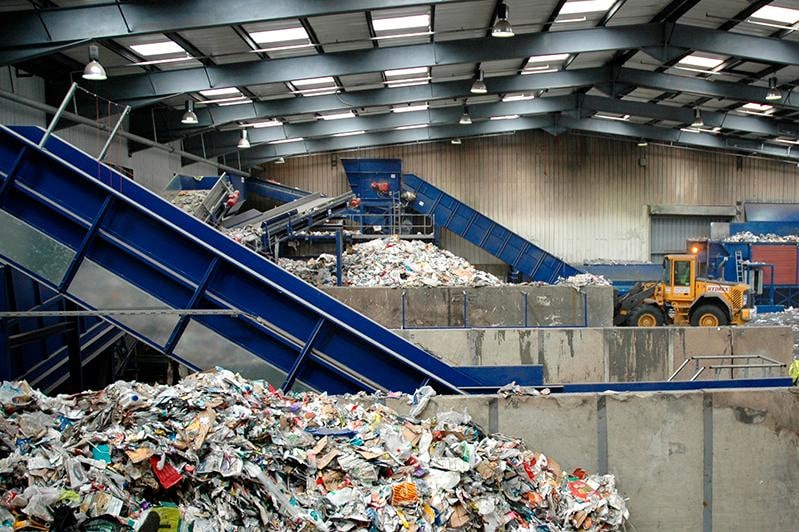
Recyclable Waste
Recyclable materials are among the most common waste streams in business environments.
Examples include:
Paper and cardboard
Plastics
Metals
Glass
How to segregate recyclables:
Use clearly labeled bins
Keep recyclables clean and dry
Separate by material where required
Proper segregation improves recycling recovery and reduces landfill waste.
General & Organic Waste
This category includes non-recyclable and biodegradable materials.
Examples include:
Food waste
Packaging residue
Mixed general waste
How to segregate general waste:
Separate from recyclables and hazardous materials
Use sealed containers where necessary
Maintain regular waste removal schedules
Effective segregation prevents contamination and maintains workplace hygiene.
Hazardous & Regulated Waste
Hazardous waste requires the highest level of control due to safety and regulatory concerns.
Examples include:
Chemicals and solvents
Batteries and electronic waste
Industrial by-products
Cleaning agents
How to segregate hazardous waste:
Use designated, approved containers
Clearly label all hazardous waste bins
Keep hazardous materials isolated from general waste
Improper segregation of hazardous waste can result in serious safety incidents and regulatory penalties.
Construction & Demolition Waste
Construction and demolition activities generate large volumes of mixed materials.
Examples include:
Concrete and masonry
Wood and drywall
Metal
Mixed debris
How to segregate construction waste:
Separate materials by type on-site
Designate collection areas for each waste stream
Remove debris regularly to maintain safety
Segregation improves disposal efficiency and supports recycling efforts.
Industrial Process Waste
Manufacturing and industrial operations often produce specialized waste streams.
Examples include:
Production scrap
Process residue
Packaging by-products
How to segregate industrial waste:
Identify waste characteristics and risks
Assign dedicated containers
Follow industry-specific handling requirements
This type of waste often requires customized segregation strategies.
Best Practices for Waste Segregation at the Source
Regardless of waste type, successful segregation follows a few key principles:
Clear bin labeling and color coding
Logical bin placement near waste generation points
Separation of hazardous materials from all other waste
Consistent waste handling procedures
Segregation at the source is more effective than sorting waste after it has been mixed.
Challenges Businesses Face Without Proper Segregation
Facilities without structured segregation systems often experience:
Higher disposal and hauling costs
Increased safety risks
Recycling contamination
Compliance violations
These challenges can disrupt operations and create unnecessary liabilities.
How Professional Waste Segregation Services Help
Managing multiple waste streams can be complex, especially in regulated environments. Professional waste segregation services support businesses by:
Identifying all waste types generated on-site
Designing customized segregation plans
Implementing clear bin systems and workflows
Supporting compliance and operational efficiency
Facilities that invest in professional segregation solutions achieve more consistent and reliable results.
Supporting Safe, Compliant Operations Through Proper Segregation
Correctly segregating waste by type is essential for:
Workplace safety
Environmental responsibility
Regulatory compliance
Cost control
Businesses that understand their waste streams and manage them effectively are better positioned for long-term operational success.
For facilities seeking dependable, compliance-focused waste segregation solutions, Griffin Solutions provides customized services designed for commercial and industrial operations across Mississippi.
Learn more about our professional waste segregation solutions and how we help businesses manage waste safely and efficiently.