
A Modern Approach to Managing Trees Before They Become a Problem
Most tree removal decisions happen too late.
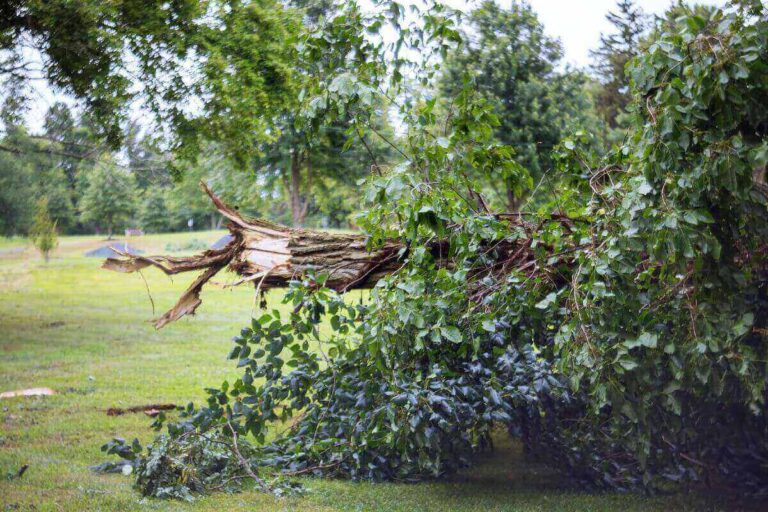
A tree falls, cracks, or leans—and suddenly it becomes urgent. But by that point, the situation is already high-risk, expensive, and disruptive. The smarter approach is not reactive removal, but early-stage risk assessment and planned action.
In Mississippi, where storms, soil shifts, and fast growth are common, trees can change condition quickly. What looks stable today may become hazardous within weeks. That’s why modern property maintenance is moving toward tree risk assessment and strategic removal planning—a method that focuses on prevention, not just response.
Why Tree Removal Is No Longer Just a “Cutting Job”
Traditionally, tree removal has been treated as a simple service: identify the tree, cut it down, and clear the debris.
But this approach ignores the bigger picture.
Trees interact with:
- Soil stability
- Drainage patterns
- Nearby structures
- Wind exposure
- Root systems underground
Removing a tree without understanding these factors can create new issues, from erosion to structural imbalance in surrounding vegetation.
A smarter approach looks at the role of the tree within the property ecosystem, not just the tree itself.
What a Tree Risk Assessment Actually Looks Like
A proper assessment goes beyond visible damage. It focuses on identifying hidden risks that are not obvious at first glance.
This includes evaluating trunk integrity, root stability, soil conditions, and how the tree responds to environmental stress. A slight lean, for example, may not always indicate danger—but combined with root exposure or soil movement, it can signal a serious issue.
In many cases, the early warning signs are subtle. Changes in leaf density, cracks in bark, or uneven growth patterns often appear before structural failure.
Recognizing these patterns early allows property owners to act before the situation becomes urgent.
A professional Mississippi tree service can identify structural weaknesses, root instability, and storm-related hazards before they result in costly property damage. Scheduling a proactive inspection through an experienced MS tree service provider helps homeowners make informed decisions and reduce long-term risk.
The Shift From Emergency Removal to Planned Removal
Emergency tree removal will always be necessary in certain situations, especially after storms. However, relying on emergency services as the primary solution often leads to higher costs and greater risk.
Planned removal changes that.
Instead of reacting to damage, trees are evaluated and removed at the right time—before they become unstable. This reduces the complexity of the job and allows for safer, more controlled removal conditions.
It also minimizes disruption to surrounding structures, landscaping, and daily operations.
How Trees Quietly Impact Property Safety
Trees don’t need to fall to create problems.
Over time, they can affect:
Roof structures through overhanging branches
Foundations through root expansion
Driveways and pathways through ground movement
Visibility and lighting across the property
These slow, gradual impacts are often overlooked because they don’t create immediate emergencies. However, they contribute to long-term wear and unexpected repair costs.
Tree management, when done proactively, helps prevent these hidden issues from developing.
Weather Patterns in Mississippi and Tree Stability
Mississippi’s climate plays a major role in tree behavior. High humidity, heavy rainfall, and seasonal storms create conditions that accelerate both growth and decay.
Rapid growth can weaken structural balance, especially when branches extend unevenly. Saturated soil can reduce root grip, making trees more susceptible to leaning or uprooting during storms.
These environmental factors make it important to evaluate trees regularly, rather than waiting for visible damage.
Many property owners notice warning signs long before a tree actually fails. Understanding these early indicators can help you act before severe weather arrives. Learn more about the signs a tree might fall before a storm.
When Removal Is the Right Decision
Not every tree should be removed—but some clearly should not remain.
Removal becomes the right choice when a tree shows signs of structural instability, disease progression, or root system failure. It is also necessary when a tree’s location begins to interfere with construction, access, or long-term property use.
The key difference in a modern approach is timing.
Removal is not delayed until failure—it is done when risk becomes predictable.
Why Controlled Removal Matters More Than Speed
In urgent situations, speed matters. But in planned scenarios, control matters more.
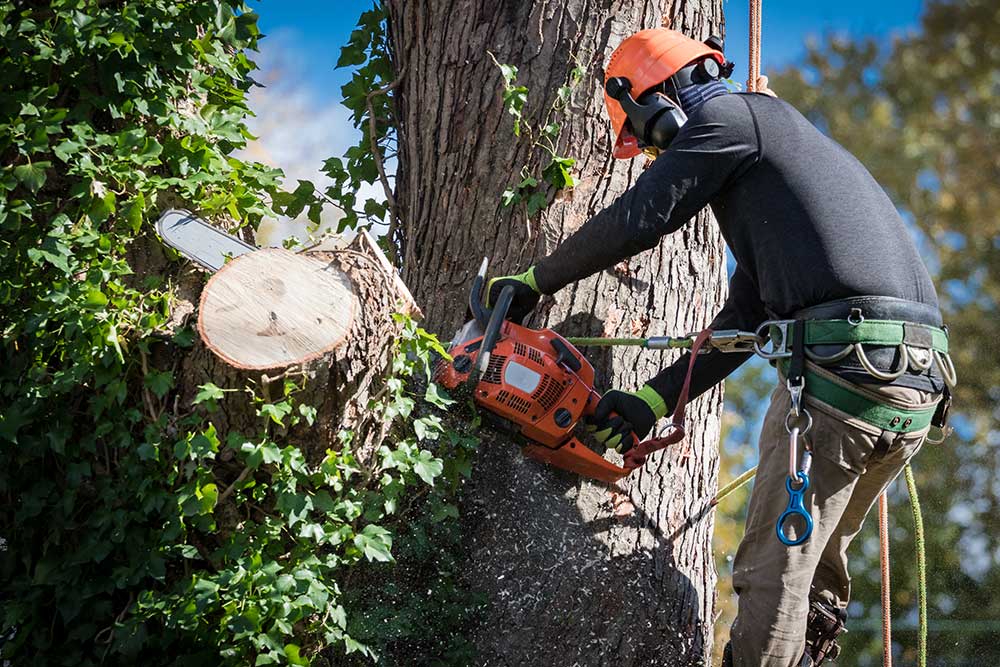
Controlled removal allows for:
Sectional dismantling
Protection of nearby structures
Reduced ground impact
Safer working conditions
This approach is especially important in residential areas or commercial properties where space is limited and precision is critical.
The Bigger Picture: Tree Management as a System
Tree removal should not be viewed as an isolated task. It is part of a larger system that includes inspection, trimming, maintenance, and long-term planning.
When these elements work together, properties remain safer, more balanced, and easier to manage.
Instead of reacting to problems, property owners gain control over how their landscape evolves over time.
Ignoring a high-risk tree often leads to larger expenses later. Understanding the hidden cost of delaying tree removal can help property owners avoid preventable property damage and emergency service costs.
Final Thoughts
Tree removal is no longer just about cutting down what’s in the way. It is about understanding risk, timing decisions correctly, and maintaining control over your property environment.
A proactive approach reduces uncertainty, lowers long-term costs, and improves overall safety. It also ensures that removal is done for the right reasons—not just because a situation has become urgent.
For property owners in Mississippi looking to move beyond reactive tree services, working with an experienced team like Griffin Solutions can help bring structure, clarity, and long-term thinking to tree management.