Understanding the Safety Demands of Mississippi’s Industrial Worksites
Mississippi’s industrial sector is diverse, ranging from oil and gas facilities to food processing plants, metal fabrication shops, distribution centers, and manufacturing units. Each industry brings a different set of risks. High humidity levels increase mold growth in some environments, while chemical exposure is a major concern in others. Many local worksites use hazardous materials that require strict compliance with OSHA standards. These variables make it critical for industrial cleaning teams to follow structured, standardized, and preventive safety procedures. When safety practices are tailored specifically to the facility’s needs, worksites become cleaner, healthier, and more productive.
1. Conducting Comprehensive Pre-Cleaning Hazard Assessments
Before industrial cleaning begins, the top priority for any Mississippi worksite is performing a thorough hazard assessment. Many accidents occur not during cleaning itself, but because the environment was not inspected properly beforehand. A detailed walk-through helps identify electrical hazards, slippery areas, chemical residues, sharp objects, airborne contaminants, or equipment that must be temporarily shut down.
A proper hazard assessment provides clarity on the level of PPE required, the cleaning methods that are safe to use, and the sections of the facility that require restricted access. For example, areas with combustible dust need very different cleaning techniques compared to areas handling corrosive chemicals. Similarly, Mississippi’s manufacturing units may have rotating equipment or conveyor belts that pose entanglement hazards if not locked out correctly. When a cleaning contractor understands the environment thoroughly before touching any equipment or chemical, the risk of injury drops drastically.
2. Using Proper Personal Protective Equipment (PPE)
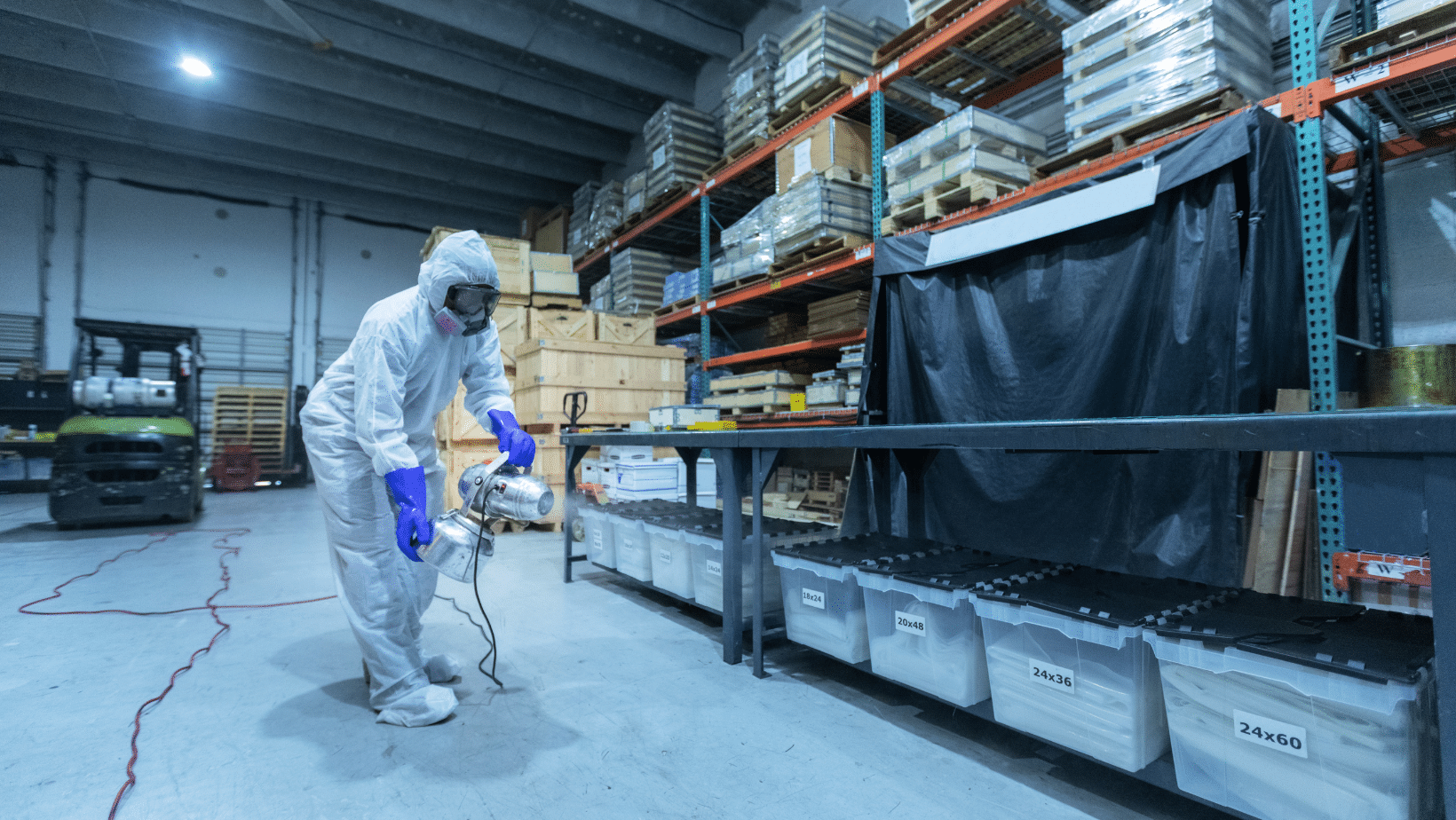
Personal Protective Equipment is one of the most important elements of industrial cleaning safety. Mississippi worksites often deal with airborne debris, chemical exposure, biohazards, high-temperature surfaces, and various industrial byproducts. That is why cleaning teams must be equipped with certified PPE that matches the hazards present in the facility.
The most common equipment includes gloves, hard hats, steel-toe boots, chemical-resistant suits, dust masks, face shields, fall-protection gear, and respirators. PPE is not simply a requirement—it is a layer of protection that directly saves lives. Many industrial accidents reported in Mississippi occur because workers either did not wear PPE or wore the wrong type. Consistent training is necessary so workers understand the purpose, proper fit, and maintenance of PPE. The more an industrial cleaning team respects protective equipment, the safer the worksite becomes for everyone involved.
3. Implementing Correct Chemical Handling and Storage Protocols
Industrial cleaning frequently involves strong chemicals such as solvents, degreasers, disinfectants, alkaline cleaners, and acidic substances. Each of these chemicals can be hazardous if mixed improperly or stored incorrectly. Mississippi workplaces must ensure that every chemical used in cleaning has a corresponding Safety Data Sheet (SDS) available on-site. Workers must be trained to read SDS information so they understand toxicity levels, safe handling guidelines, ventilation requirements, and emergency treatment steps.
Chemical exposure incidents—such as burns, respiratory issues, and eye injuries—are preventable when strict rules are followed. Chemicals must be kept in labeled containers, stored in temperature-appropriate rooms, and never mixed unless approved by the manufacturer. Ventilation systems should be active during cleaning, especially in enclosed industrial zones where fumes may accumulate. By treating chemical management as a high-priority safety measure, Mississippi worksites can significantly reduce the risk of injury and environmental harm.
4. Strict Application of Lockout/Tagout (LOTO) Procedures
Industrial worksites in Mississippi frequently operate automated machines, electrical systems, boilers, conveyor belts, and hydraulic devices. Cleaning these systems can be extremely dangerous without proper lockout/tagout procedures. LOTO ensures that a machine is shut down completely and cannot restart unexpectedly during maintenance or cleaning.
A single unplanned machine startup can cause life-altering injuries such as amputations, fractures, or electrical shocks. That is why trained industrial cleaning personnel must isolate the energy sources, apply locks, and place clearly visible tags on machinery before cleaning. LOTO requires discipline, documentation, and communication among all departments. Any worksite that handles heavy equipment must treat lockout/tagout procedures as a non-negotiable safety standard
5. Ensuring Safe Confined Space Entry
Many Mississippi facilities include confined spaces such as storage tanks, silos, sewer lines, vessels, pits, and pipelines. These areas present extreme risks due to poor ventilation, toxic gases, limited exit routes, or oxygen-deficient environments. Cleaning confined spaces requires specialized training, protective gear, and continuous atmospheric monitoring.
Before entering a confined space, workers should test the air quality, check oxygen levels, and verify that no harmful gases are present. Ventilation fans may need to be installed to promote airflow. A trained attendant must remain outside the confined space at all times to monitor conditions and initiate rescue actions if needed. Because confined-space incidents can escalate rapidly, Mississippi worksites must follow strict compliance standards to protect workers’ lives. When confined-space cleaning is handled by trained professionals, the risk of accidents drops significantly.
6. Using Proper Equipment and Cleaning Technology
Industrial cleaning is far more complex than traditional janitorial work because it requires advanced tools designed to remove heavy buildup, hazardous materials, grease, dust, and industrial contaminants. Mississippi facilities may rely on high-pressure washers, industrial vacuums, HEPA filtration systems, absorbent materials, degreasing units, and floor-scrubbing machines.
Using outdated or poorly maintained equipment increases the likelihood of injuries, fires, or mechanical failures. Regular inspection and maintenance help prevent malfunctions during cleaning operations. When specialized equipment is used correctly, it not only enhances cleaning efficiency but also minimizes the physical strain placed on workers. This contributes to safer, more sustainable cleaning processes across industrial worksites.
7. Maintaining Strong Communication Throughout Cleaning Operations
Clear communication is one of the most underrated safety practices in industrial cleaning. Mississippi worksites are often busy environments with multiple teams working simultaneously. A lack of communication can lead to accidental exposures, collisions, or process disruptions. Supervisors and cleaning crews must maintain consistent communication before, during, and after cleaning operations.
Workers should discuss which areas are blocked off, which chemicals are in use, and which machines are undergoing lockout/tagout procedures. Facility managers must be informed about potential hazards, equipment shutdowns, or required safety adjustments. When communication is strong, worksites run smoothly and safely. When communication breaks down, preventable accidents become far more likely.
8. Encouraging Safety Culture Through Ongoing Training
Safety is not a one-time procedure—it is a culture that must be reinforced continuously. Mississippi industries experience evolving challenges, new equipment, and updated regulations that require ongoing training. Workers must be educated on PPE, chemical handling, emergency response, LOTO procedures, confined space risks, and new cleaning technologies.
Regular training sessions help eliminate knowledge gaps and ensure that every team member understands the importance of following safety protocols. When workers feel confident in their training, they make better decisions, avoid shortcuts, and identify hazards more effectively. A strong safety culture transforms industrial cleaning from a risky activity into a structured, reliable, and efficient operation.
Conclusion: Keep Mississippi Worksites Safe with Griffin Solutions
Industrial cleaning safety is more important than ever, especially in Mississippi’s fast-growing industrial sectors. When worksites implement proper hazard assessments, PPE usage, chemical safety procedures, lockout/tagout protocols, confined-space guidelines, and thorough training, they create cleaner and safer environments for every employee. These practices prevent injuries, improve compliance, and support long-term operational success.
For businesses seeking reliable, expert-led industrial cleaning services, Griffin Solutions stands as a trusted partner committed to safety, professionalism, and high-standard facility care. With trained specialists, advanced cleaning equipment, and a strict safety-first approach, Griffin Solutions ensures that every Mississippi worksite remains clean, compliant, and protected.