Warehouse cleaning is often grouped under one category, but not all cleaning services are the same. Facilities vary widely in size, operations, and risk levels, which means cleaning requirements also differ. Understanding the difference between industrial and commercial warehouse cleaning helps businesses choose the right approach for their specific environment.
For facility managers and operations teams, selecting the appropriate level of cleaning service is essential for maintaining safety, compliance, and efficiency.
What Is Commercial Warehouse Cleaning?
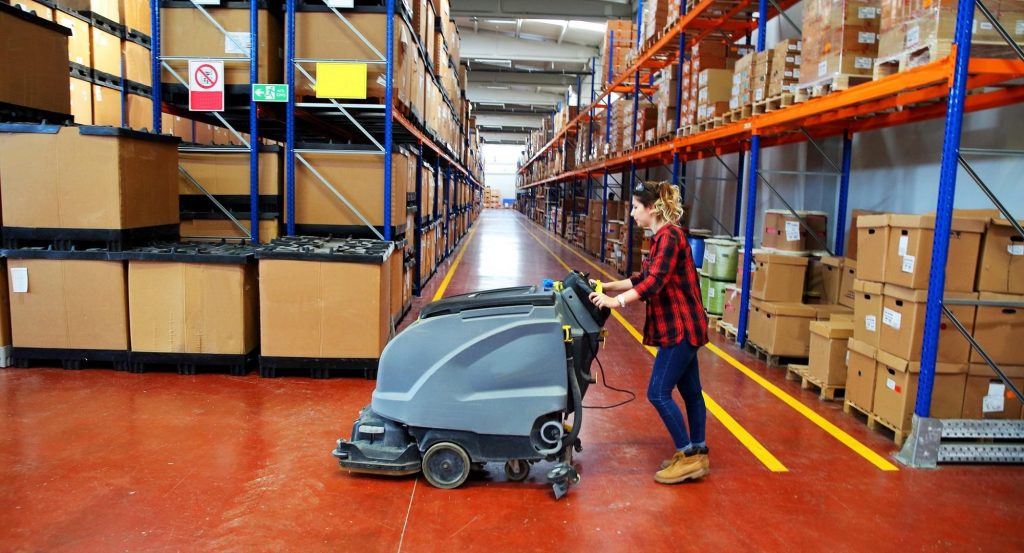
Commercial warehouse cleaning generally focuses on maintaining clean, organized environments for storage, distribution, and logistics operations. These facilities typically handle packaged goods, inventory management, and shipping processes.
Commercial cleaning services are designed to maintain:
Clean floors and walkways
Organized storage areas
Dust control in general workspaces
Loading dock cleanliness
The goal is to support day-to-day operations by keeping the facility presentable, safe, and functional.
Commercial warehouse cleaning is ideal for:
Distribution centers
Fulfillment warehouses
Retail storage facilities
Logistics hubs
What Is Industrial Warehouse Cleaning?
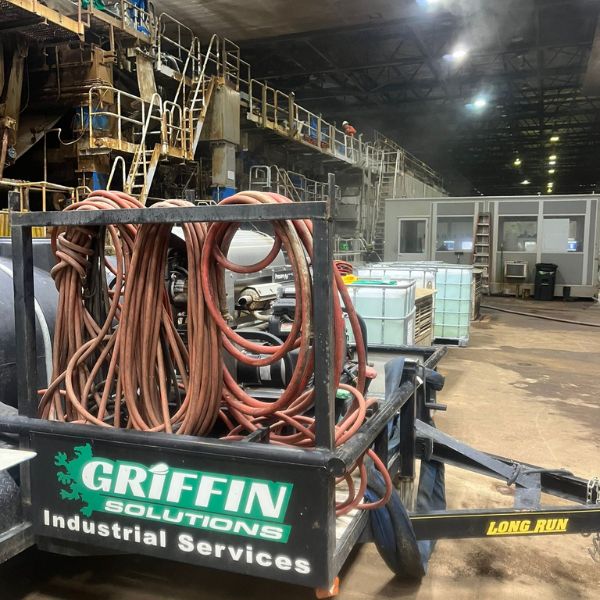
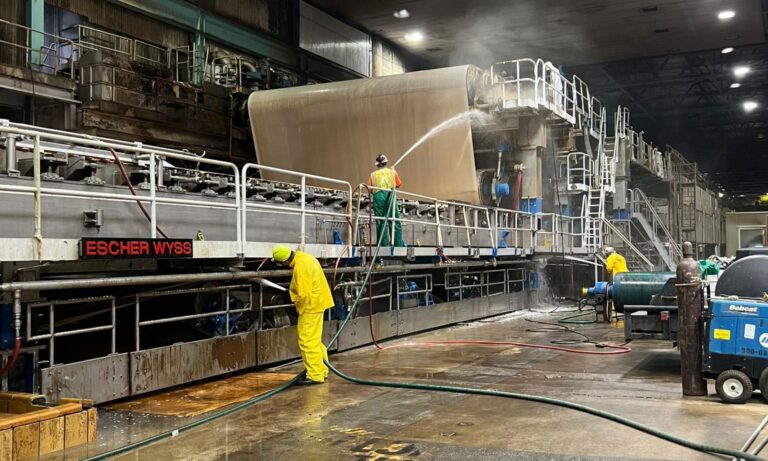
Industrial warehouse cleaning involves more complex and demanding environments. These facilities often include manufacturing processes, heavy machinery, chemical handling, or large-scale material processing.
Industrial cleaning goes beyond surface-level maintenance and focuses on:
Equipment and machinery cleaning
Degreasing and residue removal
High-dust removal from overhead structures
Hazardous material cleanup
Compliance-focused cleaning procedures
Industrial environments require specialized equipment, trained personnel, and strict safety protocols.
Key Differences Between Industrial and Commercial Cleaning
Level of Complexity
Commercial warehouse cleaning is generally less complex and focuses on maintaining cleanliness in organized storage environments. Industrial cleaning involves more advanced procedures due to machinery, chemicals, and higher risk levels.
Equipment and Methods
Commercial cleaning typically uses standard industrial cleaning tools such as floor scrubbers and vacuums. Industrial cleaning requires specialized equipment, including degreasing systems, high-reach cleaning tools, and containment methods for hazardous materials.
Safety and Compliance Requirements
Industrial warehouses often operate under stricter safety expectations due to the presence of hazardous materials and heavy machinery. Cleaning in these environments must align with workplace safety practices associated with the Occupational Safety and Health Administration (OSHA).
Commercial facilities still require safe conditions, but the level of risk is typically lower.
Cleaning Frequency and Intensity
Commercial warehouse cleaning is often scheduled regularly to maintain cleanliness and organization. Industrial cleaning may involve both routine maintenance and periodic deep cleaning to address heavy contamination or equipment buildup.
Workforce Expertise
Industrial cleaning requires trained professionals who understand safety protocols, hazardous material handling, and complex cleaning procedures. Commercial cleaning teams focus more on routine maintenance tasks and general facility upkeep.
Which Type of Cleaning Does Your Warehouse Need?
The type of cleaning required depends on the nature of your operations. Warehouses that primarily store and distribute goods typically benefit from commercial cleaning services. Facilities that include manufacturing processes, heavy equipment, or chemical handling require industrial cleaning solutions.
Some warehouses may fall somewhere in between, requiring a combination of both approaches. For example, a distribution center with light manufacturing processes may need routine commercial cleaning along with periodic industrial services.
Why Choosing the Right Cleaning Approach Matters
Selecting the appropriate cleaning service ensures that your facility receives the level of care it needs. Underestimating cleaning requirements can lead to safety risks, equipment issues, and compliance concerns. On the other hand, choosing the right approach improves efficiency, protects inventory, and supports long-term operations.
Understanding the difference between industrial and commercial cleaning allows facility managers to make informed decisions based on their operational needs.
The Value of Professional Warehouse Cleaning Services
Whether your facility requires commercial cleaning, industrial cleaning, or a combination of both, professional services provide structured and reliable support. Experienced cleaning teams understand how to adapt services based on warehouse conditions, traffic levels, and operational demands.
For businesses in Mississippi seeking dependable warehouse cleaning and maintenance solutions, Griffin Solutions offers services tailored to both commercial and industrial environments.
Our approach ensures that facilities receive the right level of cleaning support to maintain safe, efficient, and compliant operations.
Final Thoughts
Industrial and commercial warehouse cleaning serve different purposes, but both are essential for maintaining safe and productive facilities. Understanding these differences helps businesses choose the right solution and avoid unnecessary risks.
By aligning cleaning services with operational needs, warehouses can maintain better safety standards, improve efficiency, and support long-term success.