Most facility managers in Mississippi are not looking for a lecture on why cleanliness matters. They already know that. What they actually need is a clear, honest picture of why industrial cleaning in this state is harder than the standard playbook suggests — and what doing it properly actually looks like in practice.
This post covers exactly that. No corporate language. No list of services dressed up as information. Just a straightforward look at what industrial cleaning involves in Mississippi, what happens when facilities get it wrong, and what separates industrial cleaning companies that deliver real results from those that simply show up and collect a payment.
Why Industrial Cleaning Is Not the Same as Regular Cleaning
This distinction gets blurred constantly, and it causes real problems for Mississippi facilities that hire the wrong type of contractor.
Regular commercial cleaning handles offices, shops, schools, and general business spaces. The work involves mopping floors, cleaning restrooms, wiping surfaces, and emptying bins. The contamination in these environments is predictable and easy to remove with standard equipment.
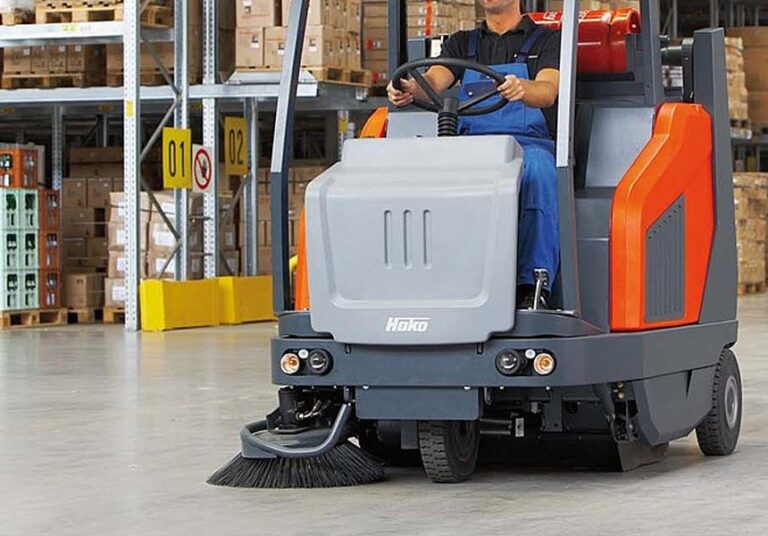
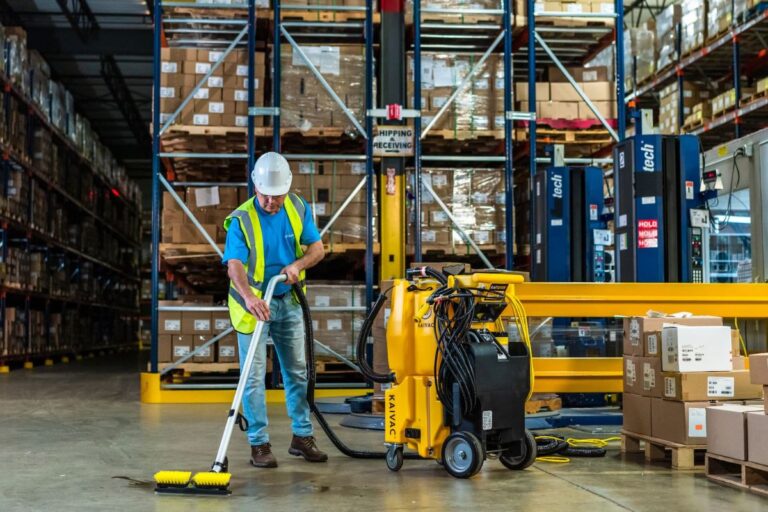
Industrial cleaning deals with a completely different set of conditions. In a paper mill, the contamination is cellulose dust that sticks to every surface and becomes a fire hazard when it builds up enough. In a manufacturing plant, it is machine grease, metal shavings, and coolant residue that degrade flooring and clog drains over time. In a warehouse, it is years of forklift traffic, packaging debris, and overhead dust accumulation that standard cleaning crews simply cannot handle.
Professional industrial cleaning services require different equipment, different chemistry, different safety training, and a completely different understanding of what clean actually means in a heavy-industry environment. When a commercial cleaning company takes on industrial work without these things, the result looks like cleaning from a distance but does not address what is actually happening inside the facility.
Mississippi industrial facilities — paper mills, manufacturing plants, warehouses, agricultural processing operations — need genuine industrial cleaning contractors, not commercial cleaning crews who occasionally take on bigger jobs.
What Makes Mississippi Different From Other States
Most industrial cleaning guides are written for a generic American industrial facility. Mississippi’s operating environment does not match that template, and the difference is significant enough to change how cleaning needs to be approached here.
The Humidity Reality
Mississippi is one of the most humid states in the country. For most of the year, and especially during the long summer months, the air holds far more moisture than facilities in the Midwest, Southwest, or Mountain states ever deal with.
That moisture changes how contamination behaves in a Mississippi industrial facility. Dust in a warehouse here is not the same as dust in a warehouse in a drier state. It absorbs moisture from the air, becomes heavier and stickier, and bonds to surfaces much more aggressively. Dry sweeping or blowing it with compressed air does not actually remove it — it just moves it to a different surface. Effective removal in Mississippi conditions requires wet extraction, vacuum methods, or hot water washing that breaks the bond between moisture-laden dust and the surface it has stuck to.
The same humidity accelerates rust on steel surfaces when cleaning residue or condensation is left sitting. It promotes mold growth in any area that holds organic material — which covers a large portion of what Mississippi’s paper mills, grain facilities, and wood product operations deal with every day. And it reduces how well certain cleaning products perform, because many of those products are tested and rated for standard humidity levels that Mississippi consistently exceeds.
Industrial cleaning specialists who understand this adjust their methods, their product choices, and their scheduling accordingly. Those who do not bring a playbook designed for somewhere else and apply it here — with predictably limited results.
The Industries Here Demand More
Mississippi’s industrial base is concentrated in sectors that create above-average cleaning demands.
Paper and pulp mills generate cellulose dust that accumulates on overhead structures — beams, conveyors, ductwork — at a continuous rate. In Mississippi’s humid air, this dust bonds to those surfaces faster and more stubbornly than the same dust would in a drier environment. It is also combustible, which means elevated surface cleaning here is not an appearance issue — it is a safety requirement.
Manufacturing and fabrication operations produce machine grease, metal shavings, hydraulic fluid, and industrial lubricants as normal byproducts of production. These materials break down concrete flooring over time, block floor drains, and create the kind of slip hazard that ends up in incident reports. Left unaddressed long enough, they also get inside machinery — causing heat buildup and premature wear that shows up in maintenance logs without anyone connecting it back to cleaning.
Agricultural processing facilities across the Delta deal with grain dust, organic debris, and the persistent moisture that Mississippi’s climate introduces into any environment with organic material. The combination creates biological growth problems in drainage systems and on surfaces that clean on a schedule appropriate for drier states cannot keep up with.
Warehouses and distribution centers along Mississippi’s major highways deal with years of forklift traffic, ceiling-high dust accumulation, dock area contamination, and air quality issues that grow slowly and invisibly until they become expensive.
Each of these environments requires industrial cleaning that accounts for what is actually in the building — not a generic approach that treats them all the same.
The Regulatory Environment Is Mississippi-Specific
Facilities in Mississippi operate under compliance requirements that are specific to this state, and industrial cleaning connects directly to those requirements in ways that are easy to underestimate.
OSHA covers housekeeping standards across all general industry facilities, and poor housekeeping is consistently among the most frequently cited violations in industrial environments. The financial consequences of OSHA citations are serious, and they scale upward significantly for violations that are repeated or willful.
The Mississippi Department of Environmental Quality governs industrial waste disposal, stormwater discharge, and spill response for facilities operating in this state. Mississippi’s environmental framework reflects the state’s specific geography — its river systems, its Gulf Coast exposure, and the industries that operate here. Industrial cleaning involving pressure wash water disposal, chemical residue handling, or spill cleanup has MDEQ implications that generic national cleaning contractors may not understand or account for.
Industrial cleaning contractors working in Mississippi who do not understand the MDEQ framework are creating compliance exposure for their clients every time they run a high-pressure wash job and let the runoff go where it should not, or handle collected spill material in a way that does not meet Mississippi’s disposal requirements.
The Areas That Mississippi Facilities Most Consistently Under-Clean
After years of working in Mississippi industrial environments, certain patterns show up across facilities of every type and size.
Overhead and elevated surfaces are the most universally neglected area. Ceiling beams, roof trusses, conveyor systems, ductwork, and lighting fixtures accumulate contamination that is invisible from the floor until it becomes a visible problem — or, in paper mills and grain facilities, a fire hazard. In Mississippi’s humid air, the dust that accumulates on these surfaces bonds more aggressively than in drier states. Standard quarterly cleaning schedules are often not enough here. The right frequency depends on the operation, but in most Mississippi industrial facilities, elevated surfaces need attention more often than generic national scheduling templates suggest.
Inside production equipment is where cleaning most directly affects how long machinery lasts. Most cleaning crews clean the outside of machines. Industrial cleaning specialists clean the inside — gear housings, conveyor interiors, motor enclosures, cooling channels. The buildup of grease, coolant, and particulate inside these spaces causes machinery to run hotter and wear faster. It is one of the most direct ways that cleaning investment protects capital equipment, and it is consistently the thing that gets skipped when facilities cut cleaning budgets or use contractors who are not equipped for it.
Drainage systems and floor sumps in Mississippi facilities fail faster than in drier states. The combination of industrial contamination and year-round humidity creates biological growth in drain systems that needs more frequent management here than standard schedules assume. Drains that back up do so at the worst possible time — during production — and the emergency response always costs more than the scheduled maintenance that would have prevented it.
Loading docks experience the highest concentration of contamination from external vehicles, and in Mississippi’s climate, the humidity-bonded diesel exhaust, oil, and rubber residue on dock surfaces needs hot water pressure washing to clear properly. Cold water moves it around. Hot water actually removes it.
Tank and vessel interiors accumulate moisture-related contamination faster in Mississippi’s climate than in drier states. Internal corrosion progresses more quickly. Biological growth in tanks that hold any organic material is more aggressive. Cleaning intervals appropriate for other states may be insufficient here, and confined-space tank cleaning requires specific safety protocols that not every contractor is trained or equipped to follow.
What Separates Good Industrial Cleaning from Average Industrial Cleaning
The difference is visible in specifics — specific equipment, specific documentation, specific scheduling capabilities — not in sales presentations.
Equipment tells the story immediately. A legitimate industrial cleaning company that operates in Mississippi brings hot water pressure washing capability as standard equipment. Hot water is not a premium option here — it is the appropriate tool for Mississippi’s humidity-bonded contamination. Contractors arriving with cold-water systems for industrial pressure washing in Mississippi are using equipment designed for conditions lighter than what Mississippi industrial facilities actually present.
Beyond pressure washing, genuine industrial cleaning specialists bring vacuum systems rated for fine and combustible particulate, aerial access equipment for elevated surface work, and confined-space entry equipment with appropriate monitoring capability for tank and vessel work. This is the equipment list of an industrial cleaning business. It is not what shows up from a commercial cleaning company that decided to expand its service offerings.
Safety documentation is non-negotiable. Before a genuine industrial cleaning contractor begins any work in an industrial environment, they can produce written safety programs specific to the tasks involved, training records for their crew covering the hazards present in your facility, chemical handling documentation for every product they bring on-site, and insurance coverage appropriate for industrial work. These are not extras. They are baseline requirements for safe and compliant work in industrial environments. A contractor who cannot produce them before the first site visit is not equipped to work in your facility safely.
Scheduling around production is fundamental. Mississippi industrial facilities — particularly paper mills and manufacturing plants running continuous operations — cannot stop production to accommodate cleaning crews that only work standard business hours. Industrial cleaning programs for continuous-operation facilities are built around planned shutdown windows, off-shift hours, and weekend availability. This is a structural requirement, not a nice-to-have. Industrial cleaning contractors who cannot staff for it cannot serve these facilities without disrupting production.
Documentation after every visit closes the compliance loop. MDEQ reviews, OSHA inspections, and insurance audits all benefit from cleaning records that show consistent, documented maintenance activity. Every professional industrial cleaning visit should generate a service record noting what was cleaned, what products were used, and what conditions were found. Facilities that can show regulators a clean service history are in a fundamentally stronger position than those that cannot.
The Real Cost of Getting Industrial Cleaning Wrong
The costs of inadequate industrial cleaning in Mississippi rarely appear in the cleaning line item. They show up elsewhere, with a time delay that makes the connection easy to miss.
Equipment wears out faster than it should. When grease builds up inside motor housings and dust accumulates on cooling equipment, machinery runs hotter and breaks down sooner. The maintenance team addresses the symptom. Nobody connects it back to the cleaning program.
Compliance citations happen at the worst times. OSHA housekeeping violations are consistently cited across industrial facility inspections, and the consequences scale quickly for facilities where the same issues appear repeatedly. The financial and operational disruption of an OSHA citation in a Mississippi industrial facility is always more than the cost of the cleaning program that would have prevented the underlying condition.
Slip and fall incidents on contaminated flooring generate workers’ compensation claims, legal costs, and increased insurance premiums that far exceed any cleaning savings. This is one of the most well-documented patterns in industrial facility management — facilities that reduce cleaning coverage to save on operating costs consistently see incident costs that eliminate those savings and then some.
Air quality issues show up in absenteeism and health complaints before they show up in compliance citations. Inadequate dust control and mold management in Mississippi’s humid industrial environments creates respiratory exposure for workers that builds gradually — until it generates a pattern of sick days, medical claims, and eventually regulatory attention.
The pattern across all of these cost categories is consistent. Proper industrial cleaning is an investment with measurable returns in equipment life, compliance posture, worker safety, and operational continuity. Cutting it is a short-term saving that becomes a medium-term expense.
Commercial Cleaning Services in Mississippi vs. Genuine Industrial Cleaning Services
Mississippi has several commercial cleaning service providers. Jani-King operates franchise locations across the state. JAN-PRO has a Mississippi presence. Executive Cleaning Services covers commercial environments across the Jackson area and beyond.
These are legitimate companies for the environments they are built for. Offices, medical facilities, retail spaces, schools — commercial cleaning services in Mississippi handle these environments well.
What they are not built for is the kind of industrial facility work that paper mills, manufacturing plants, heavy warehouses, and processing operations actually require. Their equipment, their training, their scheduling models, and their cleaning programs are designed for commercial environments. When they take industrial work, they apply commercial methods to industrial conditions — which consistently produces results that look adequate and perform inadequately.
The gap shows up over time in the areas that commercial cleaning crews do not reach: overhead surfaces, equipment interiors, drainage systems, tank and vessel maintenance, confined-space work. These are the areas where genuine industrial cleaning contractors differ from commercial cleaning companies, and they are the areas where Mississippi facilities typically carry the most unaddressed contamination and the most compliance exposure.
Griffin Solutions: Industrial Cleaning in Mississippi Since 2004
Griffin Solutions is based in Silver Creek, Mississippi, and has been providing industrial cleaning services across this state since 2004. We are an industrial cleaning business built for Mississippi’s industrial environments — paper mills, manufacturing plants, warehouses, agricultural processing facilities, and construction sites — not a franchise model or a commercial cleaning company that expanded into industrial work.
Our equipment includes hot water pressure washing trailer units, dump trucks, excavators, skid steers, end loaders, a long-reach trackhoe, and industrial vacuum and cleaning systems sized for real industrial facility work. Every engagement begins with a site assessment. We look at your actual contamination conditions, your production schedule, your MDEQ compliance requirements, and your specific facility type before we propose anything.
We staff for off-hours and shutdown-window cleaning. We document every service visit. We understand what Mississippi’s humidity does to industrial contamination and we build our methods around those actual conditions rather than a generic national template.
Whether you are searching for industrial cleaning services near you in Jackson, Hattiesburg, Brookhaven, McComb, Biloxi, or anywhere else across Mississippi, Griffin Solutions covers your area with the same fully equipped, experienced team.
Call us at 601-754-0477 or visit griffinsolutions.pro to request a free site assessment. No generic proposal. No square-footage pricing grid. Just a direct conversation about what your facility needs from industrial cleaning specialists who have been working in Mississippi’s industrial sector for over twenty years.