
Why Waste Segregation Is Becoming a Competitive Advantage for Modern Warehouses
Warehouses are no longer just storage facilities—they are fast-paced operational hubs where efficiency directly impacts customer satisfaction, operating costs, and business growth. As supply chains become more demanding in 2026, warehouse managers are looking beyond automation and inventory systems to identify new ways to improve productivity.
What was once viewed as a housekeeping task has become an important operational strategy. Smart warehouses are integrating waste segregation into their daily workflows to reduce clutter, improve material flow, maximize available space, and create safer working environments.
Combined with professional warehouse cleaning services, an effective waste segregation strategy helps businesses streamline operations while supporting sustainability goals.
Let’s explore how leading warehouses are using waste segregation to improve productivity and why it’s becoming an essential part of modern warehouse management.
1. Organized Warehouses Improve Employee Productivity
One of the biggest productivity killers inside a warehouse is unnecessary clutter.
Loose packaging materials, overflowing bins, damaged pallets, and mixed waste can create obstacles that slow down employees and interrupt workflows.
Smart facilities use waste segregation management to ensure waste is removed from work areas before it affects daily operations.
When waste is separated correctly:
* Employees spend less time navigating clutter.
* Picking and packing become more efficient.
* Forklift routes remain clear.
* Workstations stay organized.
* Inventory is easier to access.
A cleaner warehouse naturally supports faster operations.
2. Better Waste Segregation Improves Material Flow
Efficient warehouses focus on movement.
Every unnecessary obstacle increases travel time and reduces operational efficiency.
Smart facilities analyze where waste is generated throughout the warehouse and install collection stations close to those locations.
For example:
* Receiving areas collect cardboard immediately.
* Packaging stations separate plastic wrapping.
* Maintenance teams collect scrap metal separately.
* Shipping departments organize damaged packaging materials.
Instead of transporting mixed waste across the facility, materials are sorted at their source.
This simple change improves workflow while reducing unnecessary handling.
3. Cleaner Workspaces Reduce Operational Interruptions
Warehouse productivity isn’t only about speed.
It’s also about consistency.
Overflowing waste bins, scattered packaging materials, and poorly managed recycling areas often require unexpected cleanup efforts that interrupt normal operations.
Routine cleaning schedules ensure that waste collection points remain manageable while keeping production areas clean and accessible.
Instead of reacting to overflowing waste, facilities maintain a cleaner environment every day.
4. Industrial Warehouse Cleaning Supports Equipment Performance
Warehouse equipment performs best when operating in clean environments.
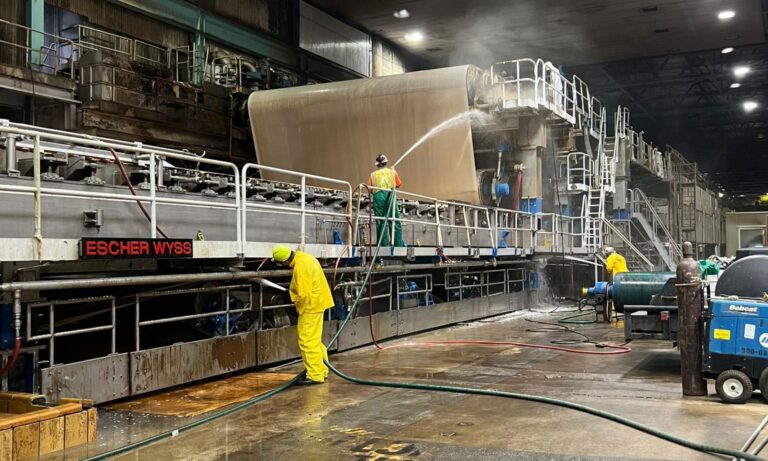
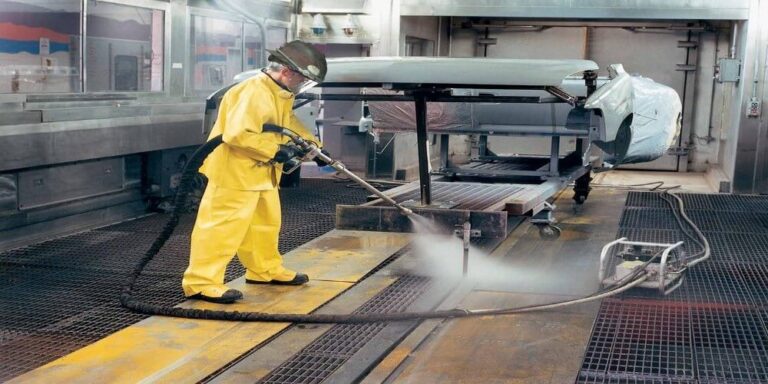
Dust accumulation, debris, and waste buildup around machinery, conveyor systems, loading docks, and storage areas can interfere with normal operations.
This is why many facilities combine industrial warehouse cleaning with ongoing waste segregation practices.
Rather than waiting for large cleanup projects, regular cleaning removes accumulated debris before it affects productivity.
Professional industrial warehouse cleaning services also help maintain areas that are difficult to access during daily operations.
Together, cleaning and waste segregation create a more organized facility where equipment and employees can operate efficiently.
5. Waste Segregation Makes Recycling Easier
Mixed waste often reduces recycling opportunities.
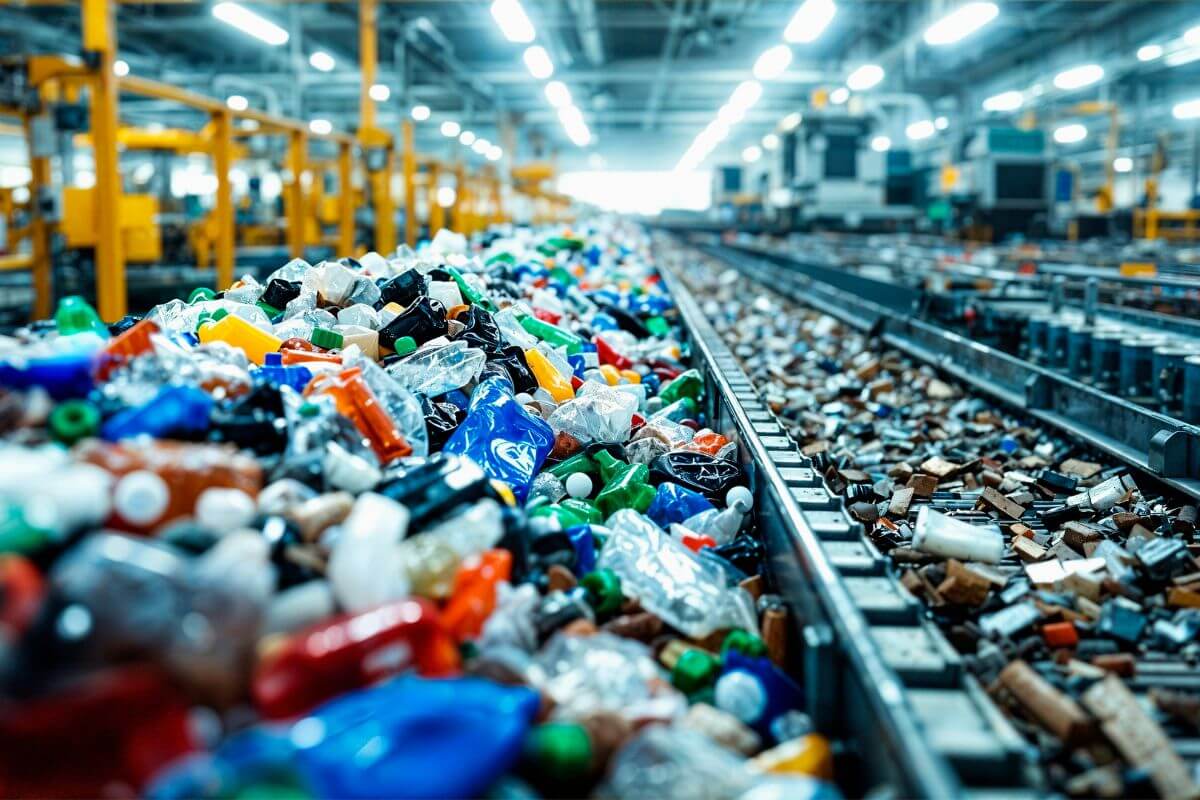
When cardboard, plastics, wood, and metal are combined with general waste, recovering recyclable materials becomes more difficult.
Smart warehouses address this issue by implementing structured waste segregation management systems.
Clearly labeled collection stations encourage employees to separate materials immediately.
This reduces contamination while improving recycling efficiency.
As sustainability continues to influence warehouse operations, organized recycling programs are becoming a valuable part of overall facility management.
6. Data Is Helping Warehouses Optimize Waste Management
Leading warehouses no longer rely on guesswork.
Facility managers are increasingly monitoring:
* Waste generation by department
* Recycling volumes
* Overflow frequency
* Collection schedules
* Seasonal waste trends
* Material recovery rates
This information helps businesses improve waste segregation management over time.
For example, if packaging waste increases during peak seasons, additional recycling stations can be installed before problems develop.
Data-driven decision-making creates more efficient warehouse operations.
7. Smart Warehouses Integrate Cleaning and Waste Management
One emerging trend in 2026 is combining warehouse cleaning with waste management into a single operational strategy.
Rather than viewing cleaning as a separate service, successful facilities coordinate:
* Waste segregation
* Daily housekeeping
* Floor cleaning
* Equipment cleaning
* Debris removal
* Recycling programs
* Preventive maintenance
Working with an experienced warehouse cleaning company allows businesses to create a consistent maintenance schedule tailored to their operations.
Instead of solving problems after they appear, facilities maintain organized work environments every day.
How Professional Warehouse Cleaning Services Support Productivity
Even the most effective waste segregation system requires regular maintenance.
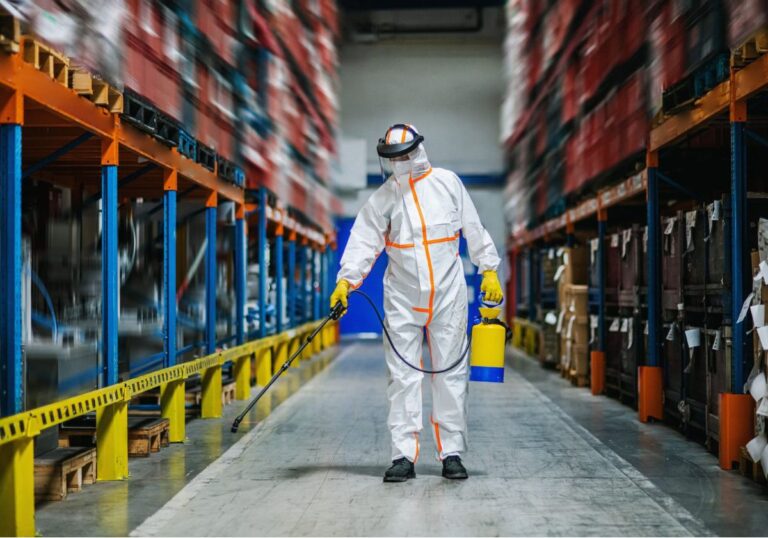
Professional warehouse cleaning services help ensure that waste collection areas remain clean, organized, and easy to manage.
Benefits include:
* Cleaner warehouse floors
* Better workplace organization
* Reduced dust and debris
* Improved employee safety
* More efficient waste handling
* Better use of warehouse space
* Improved operational consistency
Combined with industrial warehouse cleaning, businesses can maintain both employee workspaces and heavy-duty operational areas more effectively.
Best Practices for Smarter Waste Segregation Management
Warehouse managers can improve productivity by following several practical strategies:
* Separate waste where it is generated.
* Use color-coded recycling stations.
* Train employees on proper disposal procedures.
* Schedule regular warehouse cleaning.
* Review waste collection points monthly.
* Monitor recycling performance.
* Reduce unnecessary packaging waste.
* Partner with experienced warehouse cleaning professionals.
Small improvements implemented consistently often produce significant long-term operational benefits.
The Future of Smart Warehouses
Technology will continue transforming warehouse operations, but operational discipline remains equally important.
Smart warehouses recognize that productivity depends on organized workflows, clean environments, and efficient waste handling.
As businesses continue investing in automation, digital inventory systems, and advanced logistics, waste segregation management will become an increasingly valuable component of warehouse operations.
Conclusion
At Griffin Solutions, we understand that productive warehouses require more than occasional cleaning.
As an experienced warehouse cleaning company, we help businesses develop cleaning and waste management strategies that support safer, cleaner, and more efficient operations.
Whether you need routine warehouse cleaning, deep industrial cleaning, or support implementing better waste segregation management, Griffin Solutions is ready to help your facility operate at its best.
Contact Griffin Solutions today to learn how our warehouse cleaning and waste management solutions can improve productivity across your facility.