Warehouses have evolved significantly over the past few years. Today’s facilities are larger, faster, and more automated than ever before. However, one operational challenge continues to impact productivity, workplace safety, and sustainability across industries—poor waste segregation management.
Many facility managers invest in advanced inventory systems, warehouse automation, and routine cleaning but still overlook how waste is generated, sorted, stored, and removed throughout the facility. The result is unnecessary clutter, inefficient workflows, higher disposal costs, and missed recycling opportunities.
Whether you manage a manufacturing warehouse, distribution center, logistics hub, or industrial facility, improving waste segregation is no longer just an environmental initiative—it’s an operational strategy.
Here are seven common industrial waste segregation mistakes facility managers still make in 2026 and how to avoid them.
1. Treating Waste Segregation as a Cleanup Task Instead of an Operational Process
One of the biggest misconceptions is that waste segregation only begins when it’s time to remove trash.
In reality, effective waste segregation management starts the moment waste is generated.
Every department—from receiving and packaging to production and shipping—creates different types of waste. If recyclable materials, cardboard, plastics, pallets, metals, and general waste are mixed together, the sorting process becomes slower, more expensive, and less efficient.
The best-performing warehouses build segregation into daily operations rather than leaving it until the end of the shift.
Best Practice
Develop designated waste collection points throughout the warehouse so materials are separated immediately instead of after accumulation.
2. Using the Same Waste Bins Across the Entire Warehouse
Many warehouses still rely on identical bins placed randomly throughout the building.
This creates confusion for employees and often results in recyclable materials being mixed with general waste.
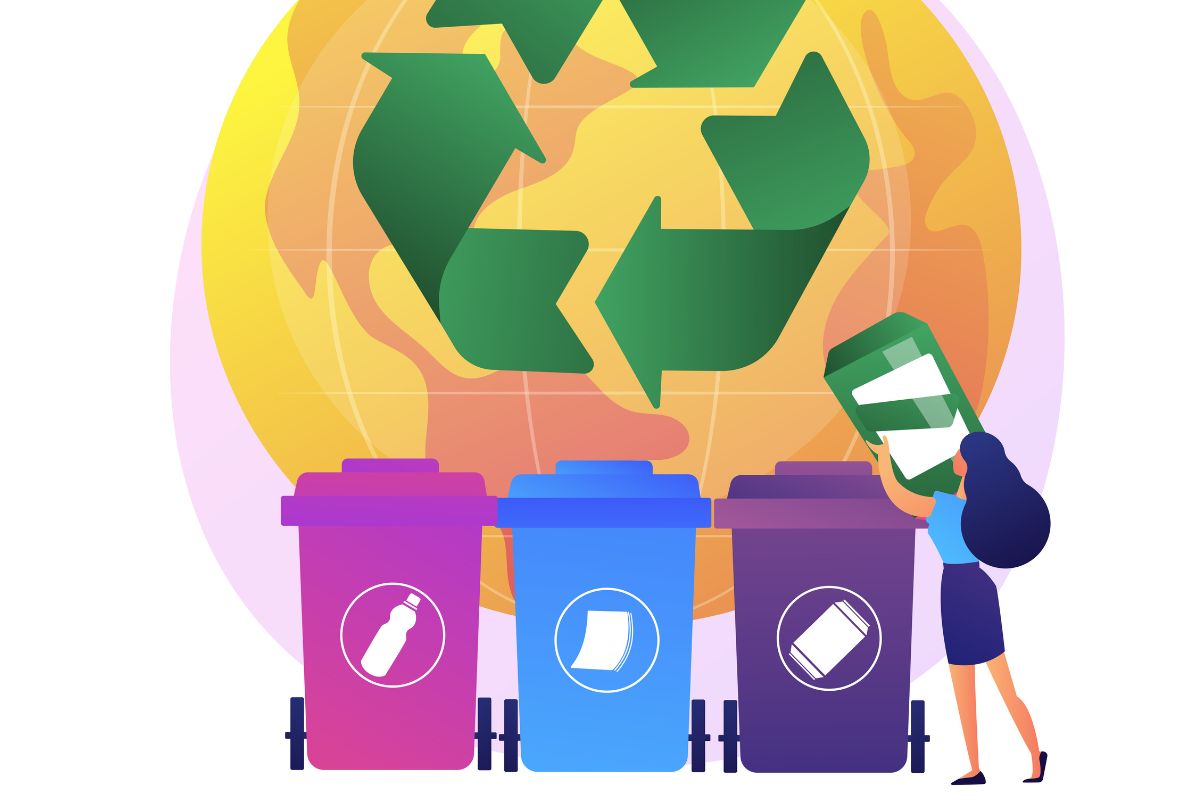
Modern waste segregation systems use clearly labeled and color-coded collection stations based on the type of waste generated in each work area.
For example:
Cardboard recycling
Plastic packaging
Scrap metal
Wooden pallets
Electronic waste
General waste
When employees can instantly identify the correct disposal location, contamination decreases and recycling efficiency improves.
3. Ignoring High-Waste Areas
Not every section of a warehouse generates the same amount of waste.
Receiving docks, packaging stations, production areas, and shipping departments often produce significantly more waste than storage aisles or office spaces.
One common mistake in industrial waste segregation is applying the same waste management strategy across every department.
Instead, facility managers should evaluate where waste is generated most frequently and allocate resources accordingly.
This may include:
Larger recycling stations
More frequent waste collection
Dedicated material storage areas
Additional employee guidance
Optimizing these high-waste zones can improve both warehouse organization and cleaning efficiency.
4. Focusing Only on Waste Removal Instead of Waste Reduction
Removing waste is important—but reducing the amount of waste generated can have an even greater long-term impact.
Leading facilities are shifting from simple disposal practices toward smarter waste segregation management strategies that focus on minimizing unnecessary waste.
Examples include:
Reusing pallets
Recycling cardboard immediately
Reducing excess packaging
Separating reusable materials
Improving inventory management to reduce damaged goods
When waste reduction becomes part of warehouse operations, businesses often experience cleaner facilities and more efficient workflows.
5. Failing to Train Employees on Proper Waste Segregation
Even the most advanced waste segregation system will struggle if employees don’t understand how it works.
Many warehouses install new recycling stations but provide little or no guidance on proper disposal procedures.
This often leads to contaminated recycling streams and inconsistent waste handling.
Employee education should include:
Types of waste generated
Correct disposal procedures
Color-coded bin identification
Hazardous material awareness
Reporting overflow or contamination
Regular refresher training can help maintain consistent waste segregation practices across every shift.
6. Separating Waste Without Monitoring the Results
Another mistake is assuming that once a segregation system is installed, the job is complete.
Successful waste segregation management requires ongoing evaluation.
Facility managers should regularly review:
Overflowing bins
Contaminated recycling containers
Frequently misplaced materials
Waste collection schedules
Employee compliance
Recycling volumes
Simple monthly reviews can identify recurring issues before they become operational problems.
Continuous improvement is becoming one of the biggest trends in warehouse waste management during 2026.
7. Treating Waste Segregation and Warehouse Cleaning as Separate Services
Warehouse cleaning and industrial waste segregation should work together—not independently.
A warehouse may appear clean while still operating with an inefficient waste management process.
Likewise, excellent waste segregation can lose its effectiveness if debris, dust, damaged packaging, and unused materials are allowed to accumulate throughout the facility.
Modern warehouses are increasingly integrating:
Professional warehouse cleaning
Waste segregation management
Recycling programs
Material handling
Preventive maintenance
Facility organization
This coordinated approach creates cleaner work environments while supporting operational efficiency.
Rather than reacting to overflowing waste areas, businesses can maintain a consistent system that keeps facilities organized every day.
Best Practices for Better Warehouse Waste Segregation Management
Facility managers looking to improve their warehouse operations should focus on creating a structured system rather than simply adding more waste bins.
Consider these best practices:
Conduct regular warehouse waste audits.
Clearly label every waste collection station.
Place recycling points where waste is generated.
Review waste volumes each month.
Train all warehouse employees.
Separate recyclable materials immediately.
Schedule regular warehouse cleaning.
Work with professionals experienced in industrial facilities.
Review waste processes annually as operations change.
Small improvements made consistently often produce better long-term results than occasional large cleanups.
Why Waste Segregation Management Matters More in 2026
Warehouse operations continue to evolve.
Facilities are processing more inventory, handling larger volumes of packaging materials, and operating under increasing pressure to improve efficiency while supporting sustainability initiatives.
As a result, waste segregation management is becoming an essential part of warehouse operations rather than an afterthought.
Businesses that establish organized waste segregation systems can simplify material handling, improve warehouse organization, support recycling efforts, and create cleaner working environments.
For industrial facilities, industrial waste segregation also complements broader warehouse cleaning and facility maintenance programs by reducing clutter before it becomes a larger operational issue.
How Griffin Solutions Supports Cleaner, Better-Organized Warehouses
At Griffin Solutions, we understand that effective warehouse maintenance involves more than periodic cleaning. A well-managed facility combines professional cleaning with organized waste segregation management to create safer, more efficient operations.
Our team provides warehouse cleaning and industrial waste segregation solutions for commercial and industrial facilities across Mississippi. Whether you need routine warehouse cleaning, customized waste segregation strategies, or support for large industrial properties, we develop solutions tailored to your operational needs.
If your warehouse is experiencing recurring waste buildup, disorganized recycling areas, or inefficient material handling, Griffin Solutions can help you create a cleaner, more organized facility with professional warehouse cleaning and waste management solutions.
Contact Griffin Solutions today to learn how our warehouse cleaning and waste segregation services can support your business.
Frequently Asked Questions
What is waste segregation management in a warehouse?
Waste segregation management is the process of separating different types of waste—such as cardboard, plastic, metal, wood, and general waste—at the point where they are generated. This improves recycling, reduces contamination, and supports cleaner warehouse operations.
Why is waste segregation important in industrial facilities?
Proper industrial waste segregation helps improve workplace organization, supports recycling efforts, reduces unnecessary disposal costs, minimizes contamination, and contributes to a safer working environment.
How often should warehouse waste segregation systems be reviewed?
Most facilities benefit from reviewing their waste segregation management processes monthly or quarterly. Regular audits help identify contamination issues, overflowing bins, inefficient collection points, and opportunities to improve waste handling.
Can warehouse cleaning and waste segregation work together?
Yes. Warehouse cleaning and waste segregation are most effective when integrated into a single facility maintenance strategy. Combining both services helps maintain organized workspaces, improves operational efficiency, and supports long-term cleanliness.