When most people think about trees, they focus on appearance, shade, or privacy. While these benefits are important, the location of a tree can have a much greater impact than many property owners realize.
Tree placement influences everything from property value and energy efficiency to maintenance costs and safety risks. A well-positioned tree can enhance a property for decades, while a poorly placed tree may eventually create expensive challenges. Whether you’re working with a professional Mississippi tree service, searching for a reliable MS tree service, or planning future landscape improvements, understanding how tree placement affects long-term outcomes can help you make smarter decisions about tree care and property management.
Why Tree Location Matters More Than Tree Size
Many property owners assume large trees are automatically the biggest concern. In reality, location often matters more than size.
A healthy mature tree positioned in an appropriate location may create very few problems throughout its lifespan. On the other hand, a smaller tree planted too close to a structure can create significant issues as it grows.
Trees continue expanding above and below ground over time. Branches spread outward while root systems search for water and nutrients. What appears to be a safe distance today may become a concern years later as roots extend beneath driveways, sidewalks, and utility lines.
Understanding future growth patterns is one of the most important aspects of long-term property planning. A tree that is properly positioned today can continue providing benefits for decades, while one planted in the wrong location may eventually require expensive maintenance or removal.
The Relationship Between Trees and Property Value
Healthy, well-maintained trees often contribute positively to property value. Mature trees create visual appeal, improve curb appeal, and make outdoor spaces feel more established and inviting.
In residential neighborhoods, attractive landscaping can help properties stand out. For commercial properties, properly maintained trees contribute to a professional appearance and create a more welcoming environment for visitors and customers.
However, trees can also have the opposite effect when they become neglected or poorly positioned. Overgrown branches, visible decay, or trees growing too close to structures may create concerns for potential buyers or tenants.
Property value is often influenced not only by the presence of trees but by how well they are maintained and how safely they coexist with the surrounding environment.
How Trees Affect Buildings Over Time
Trees and buildings often share the same space, but that relationship requires careful management.
Branches that extend over roofs can create ongoing maintenance concerns. Falling limbs, accumulated debris, and excess moisture retention can gradually affect roofing materials and gutter systems. During severe weather, overhanging branches may increase the risk of damage to structures.
Root systems can also influence nearby infrastructure. While not every tree creates foundation issues, certain species develop extensive root networks that may affect sidewalks, driveways, retaining walls, and underground utilities.
The effects are usually gradual rather than immediate. This is why regular inspections and proactive tree management are important. Small issues identified early are typically easier and less expensive to address than major structural concerns discovered later.
The Hidden Impact on Energy Efficiency
One often-overlooked benefit of strategic tree placement is its effect on energy efficiency.
Trees positioned to provide shade during warmer months can help reduce heat absorption around homes and buildings. This can contribute to more comfortable indoor temperatures and potentially reduce cooling costs.
At the same time, excessive tree coverage may block natural light or create moisture-related concerns around structures. The goal is not simply to have more trees but to have trees positioned in ways that support the overall function of the property.
When tree placement is carefully planned, it can improve both comfort and efficiency without creating additional maintenance burdens.
Safety Risks Associated With Poor Tree Placement
Safety is one of the most important factors to consider when evaluating tree placement.
Trees located near homes, commercial buildings, parking areas, roadways, or heavily used outdoor spaces carry greater risk if structural problems develop. A falling branch in an open field may create little concern, while the same branch falling near a building or vehicle could result in significant damage.
As trees age, regular evaluation becomes increasingly important. Leaning growth patterns, dead limbs, trunk damage, and signs of decay can indicate that a tree’s location is becoming a liability rather than an asset.
This is one reason professional tree removal service providers are often recommended when trees can no longer be safely maintained. An experienced tree service Mississippi company can evaluate structural risks and determine whether trimming, monitoring, or removal is the safest long-term solution.
Storms Reveal Placement Problems
Mississippi weather frequently tests the stability of trees.
Heavy rainfall, strong winds, and saturated soil place additional stress on root systems and branches. Trees that appear stable during normal conditions may become vulnerable when exposed to severe weather.
In many cases, storm damage occurs not because a tree was unhealthy, but because its location amplified the consequences of failure. A tree growing too close to a home, power line, or roadway presents greater risk during storms than one located in an open area.
This is why proactive planning and routine evaluations are particularly important for property owners throughout Mississippi.
When Tree Preservation Makes Sense
Not every tree located near a structure needs to be removed.
Many mature trees can remain healthy and safe with proper maintenance. Strategic pruning, canopy reduction, and regular inspections often extend the life of valuable landscape features while reducing risk.
Tree preservation is often the best option when the tree remains structurally sound and continues providing aesthetic, environmental, or practical benefits.
The objective is to balance the value of the tree with the level of maintenance required to keep it safe.
When Removal Becomes the Better Long-Term Option
There are situations where removal provides greater long-term value than continued maintenance.
Trees that repeatedly require corrective work, interfere with future construction plans, or show increasing signs of instability may become more expensive to maintain than to remove. Likewise, trees that pose ongoing safety concerns often create unnecessary risk for property owners.
In these cases, proactive tree removal service solutions often reduce long-term costs and improve overall property safety. Property owners working with a trusted Mississippi tree service provider can address risks before they develop into costly emergencies.
Removal decisions should be based on the future condition of the tree rather than its current appearance alone.
Looking Beyond the Tree Itself
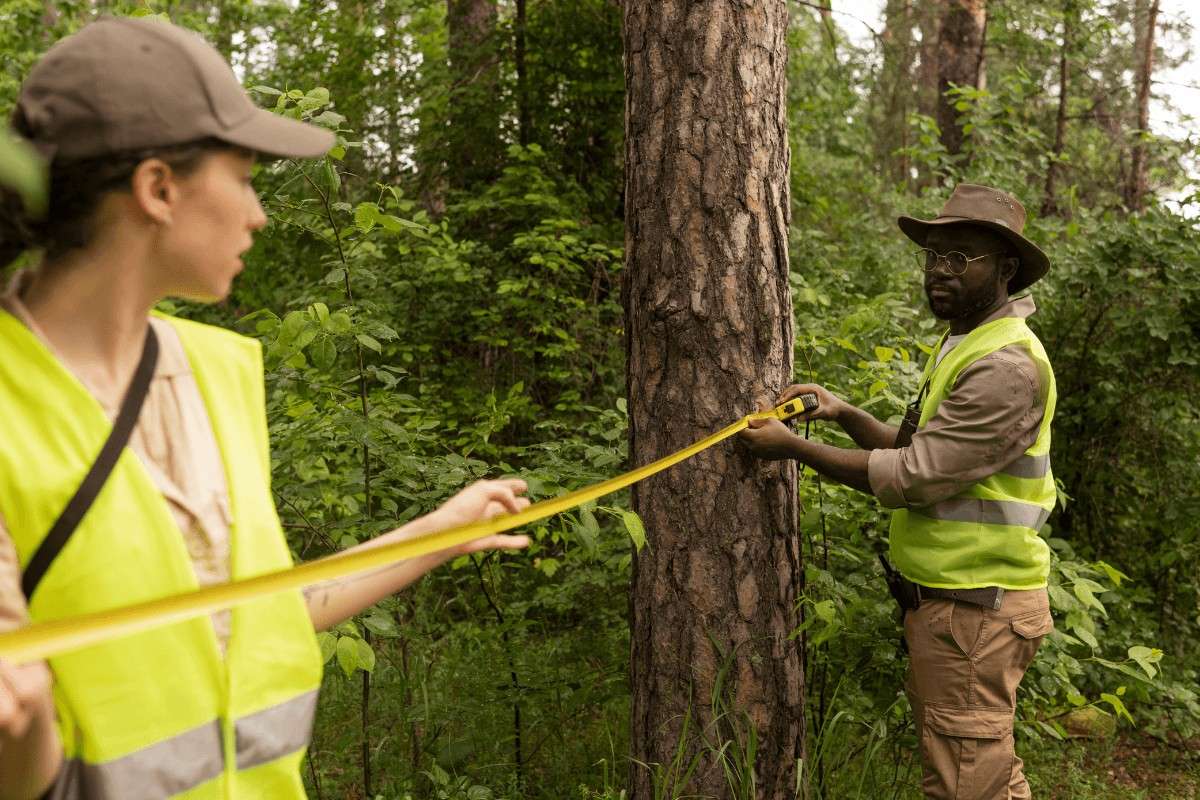
One of the most effective ways to evaluate a tree is to consider its relationship to the surrounding property.
A tree should never be assessed in isolation. Its location, future growth, proximity to structures, and impact on surrounding infrastructure all play important roles in determining long-term value and risk.
Property owners should consider how the tree will affect the property not only today but five, ten, or even twenty years from now.
This broader perspective often leads to better decisions regarding maintenance, trimming, and removal.
Long-Term Property Planning Starts With Tree Planning
Trees are among the few landscape features that continue changing significantly over time. Because of this, tree management should be viewed as part of a long-term property strategy rather than a reactive maintenance task.
Regular assessments, strategic trimming, and timely removal decisions help property owners maintain control over future risks and expenses. They also help preserve the balance between aesthetics, safety, and functionality.
Whether managing a residential property, commercial site, or large piece of land, proactive planning creates more predictable outcomes and reduces the likelihood of unexpected problems.
Final Thoughts
Tree placement influences far more than appearance. It affects safety, maintenance requirements, energy efficiency, property value, and long-term planning. By understanding how trees interact with buildings, infrastructure, and the surrounding environment, property owners can make better decisions about preservation, trimming, and removal.
For homeowners, businesses, and property managers seeking dependable tree service Mississippi solutions, professional guidance can help identify risks before they become costly problems. Whether you need routine maintenance, a complete tree removal service, or a specialized Tree removal service Brookhaven property owners can rely on, proactive planning is essential.
Griffin Solutions provides professional MS tree service and tree management solutions designed to help properties remain safe, functional, and visually appealing for years to come.