
Warehouse operations depend on consistency. When equipment runs smoothly, floors remain safe, and storage areas stay organized, productivity remains high. However, when maintenance is reactive instead of proactive, small issues can quickly turn into costly disruptions.
Preventive warehouse maintenance—especially through structured cleaning—helps facilities avoid downtime, reduce repair costs, and maintain safe working environments.
What Is Preventive Warehouse Maintenance?
Preventive maintenance is the practice of addressing potential issues before they become major problems. In warehouse environments, this includes regular cleaning, inspection, and upkeep of floors, equipment, storage systems, and work areas.
Instead of waiting for visible damage or operational failures, preventive maintenance focuses on consistency. Cleaning plays a major role in this process by removing contaminants that contribute to wear, safety risks, and inefficiency.
How Poor Cleaning Leads to Downtime
Warehouses that rely on irregular or reactive cleaning often experience hidden problems. Dust, debris, and residue gradually build up across floors and equipment, creating conditions that affect performance.
Dirty floors can reduce traction for forklifts, increasing the likelihood of accidents or delays. Dust accumulation can interfere with machinery, while cluttered aisles can disrupt workflow and slow down operations.
Over time, these issues lead to unplanned downtime, which can be costly for facilities operating on tight schedules.
The Role of Cleaning in Preventive Maintenance
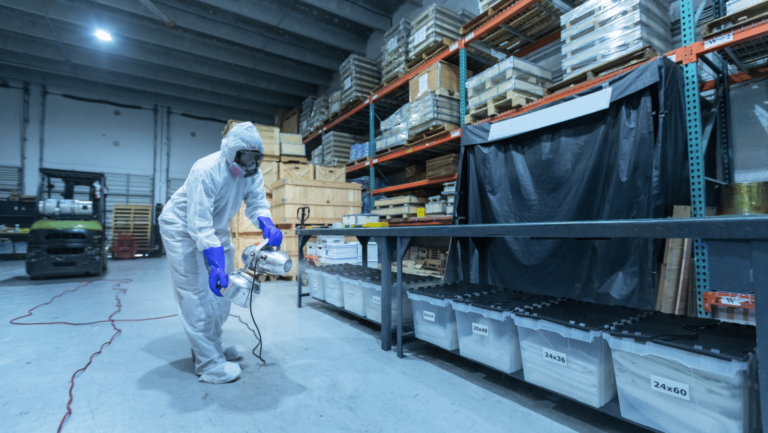
Cleaning is one of the simplest and most effective ways to support preventive maintenance. By keeping surfaces clear and equipment free from buildup, warehouses can maintain consistent performance across all areas. Investing in industrial warehouse cleaning helps prevent contamination, equipment wear, and operational disruptions before they become costly issues.
Routine cleaning helps identify issues early. For example, during floor cleaning, teams may notice damaged surfaces or leaks that require attention. Regular inspections during cleaning also make it easier to detect wear in equipment and storage systems.
When cleaning is integrated into maintenance routines, it becomes a proactive tool rather than just a reactive task.
Key Areas That Benefit from Preventive Cleaning
High-traffic zones such as forklift lanes and loading docks benefit significantly from regular cleaning. Keeping these areas clear reduces the risk of accidents and ensures smooth movement of goods.
Equipment zones also require consistent cleaning to prevent dust and debris from interfering with performance. Clean machinery operates more efficiently and experiences less wear over time.
Overhead areas, including beams and ventilation systems, should not be overlooked. High-dust accumulation can eventually impact air quality and contribute to contamination across the facility.
Maintaining all of these areas through preventive cleaning helps create a stable and reliable operational environment.
Cost Savings Through Preventive Maintenance
Businesses that invest in professional industrial warehouse cleaning services often experience fewer equipment failures and lower maintenance costs over time. By addressing issues early, warehouses can avoid major disruptions that require extensive downtime or equipment replacement.
Regular cleaning also extends the lifespan of floors, machinery, and storage systems. Facilities that invest in preventive maintenance often see lower long-term costs compared to those that rely on reactive approaches.
Supporting Workplace Safety
A clean warehouse is a safer warehouse. Preventive maintenance helps reduce slip hazards, remove obstructions, and control dust levels throughout the facility.
Maintaining clean working conditions supports general workplace safety expectations associated with the Occupational Safety and Health Administration (OSHA). While cleaning alone does not ensure compliance, it plays a key role in reducing preventable risks.
Safer environments lead to fewer incidents and more consistent operations.
Improving Operational Efficiency
Efficiency depends on organization and reliability. Clean floors, clear pathways, and well-maintained equipment allow warehouse operations to run smoothly.
Preventive cleaning reduces interruptions by minimizing the need for emergency cleanup or repairs. It also improves workflow by keeping storage areas organized and accessible.
Facilities that prioritize maintenance often experience higher productivity and fewer delays.
Creating a Preventive Maintenance Schedule
A successful preventive maintenance plan combines daily, weekly, and monthly cleaning tasks. Daily routines address immediate hazards, while weekly and monthly schedules focus on deeper cleaning and inspections.
Facilities should review their operations regularly and adjust maintenance schedules based on traffic levels and activity. High-volume warehouses may require more frequent cleaning to maintain consistent conditions.
Structured schedules ensure that maintenance remains consistent rather than reactive.
When Professional Cleaning Services Are Essential
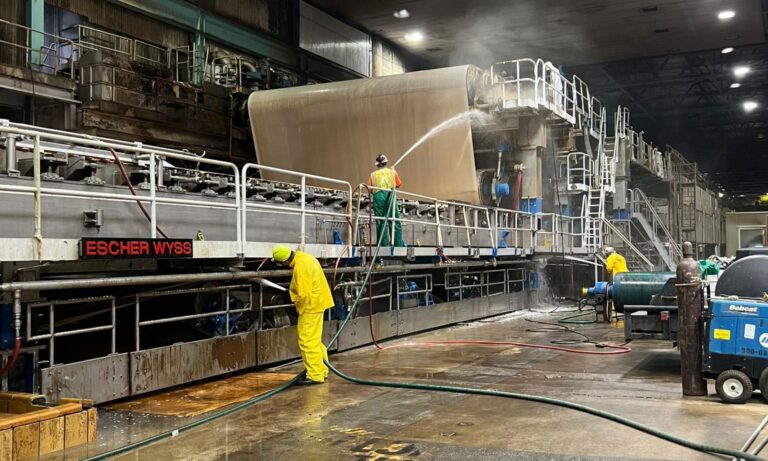
Large industrial warehouses often require more than internal cleaning efforts can provide. Professional cleaning services offer specialized equipment and expertise needed to maintain consistent preventive maintenance programs.
From industrial floor scrubbing to high-dust removal, professional teams ensure that all areas of the facility are maintained effectively.
For businesses in Mississippi seeking reliable warehouse cleaning and maintenance support, Griffin Solutions provides comprehensive services tailored to commercial and industrial environments.
Long-Term Benefits of Preventive Maintenance
Preventive warehouse maintenance delivers long-term value by reducing downtime, lowering repair costs, and improving safety. Facilities that adopt proactive cleaning strategies operate more efficiently and maintain better control over their operations.
Rather than reacting to problems after they occur, preventive maintenance allows businesses to stay ahead of potential issues and maintain consistent performance.
Final Thoughts
Warehouse cleaning is not just a routine task—it is a critical component of preventive maintenance. By integrating structured cleaning into daily operations, facilities can reduce risks, improve efficiency, and avoid costly disruptions.
A proactive approach ensures that warehouses remain safe, organized, and prepared for ongoing operational demands.