Maintaining a clean and organized warehouse requires more than occasional cleaning—it requires a structured, consistent approach. Warehouses are fast-paced environments where forklifts move continuously, goods are handled daily, and packaging materials generate constant dust and debris. Without a clear system in place, even minor cleaning gaps can lead to safety hazards, operational inefficiencies, and long-term maintenance issues.
A well-defined warehouse cleaning checklist helps facility managers stay in control of these challenges. By breaking cleaning tasks into daily, weekly, and monthly routines, warehouses can maintain safer working conditions, improve workflow, and ensure consistent operational performance.
Why a Warehouse Cleaning Checklist Is Essential
Warehouse environments naturally accumulate dirt, debris, and residue due to constant activity. Floors collect dust and tire marks, racks gather packaging particles, and equipment areas develop grease and buildup. Without structured cleaning, these elements can quickly affect both safety and efficiency.
A cleaning checklist provides a clear framework for maintaining consistency. Instead of relying on occasional inspections, facility managers can follow a routine that ensures all critical areas are addressed regularly. This approach reduces the risk of missed tasks and helps maintain a high standard of cleanliness across the entire facility.
Consistent cleaning also supports workplace safety expectations associated with the Occupational Safety and Health Administration (OSHA). While cleaning alone does not guarantee compliance, maintaining clean floors, clear pathways, and organized storage areas plays an important role in reducing preventable hazards.
Daily Warehouse Cleaning Checklist
Daily cleaning tasks focus on maintaining immediate safety and ensuring smooth day-to-day operations. Because warehouse activity is continuous, these tasks are essential for preventing small issues from escalating.
The first priority is inspecting floors across all active areas. Facility teams should look for debris, loose packaging materials, or spills that could create slip hazards. Immediate cleanup helps maintain safe walking-working surfaces and prevents contamination from spreading.
Walkways and forklift lanes must remain clear at all times. Obstructions such as pallets, boxes, or misplaced materials can disrupt workflow and increase the risk of accidents. Ensuring these pathways are open supports both safety and efficiency.
Loading dock areas require daily attention due to frequent movement of goods. Packaging waste, broken pallet pieces, and loose debris should be removed promptly to keep these high-traffic zones organized and functional.
Waste collection points should also be checked to prevent overflow. Keeping waste properly contained reduces clutter and helps maintain a cleaner environment throughout the facility.
Daily cleaning creates a strong foundation for overall warehouse maintenance and ensures that high-risk areas are consistently managed.
Weekly Warehouse Cleaning Checklist
Weekly maintenance focuses on areas that may not require constant attention but still accumulate dust, residue, and wear over time. These tasks provide a deeper level of cleaning and inspection compared to daily routines.
Storage racks should be examined for dust buildup, particularly on lower levels where debris from packaging and movement tends to settle. Cleaning these surfaces helps prevent dust from spreading throughout the warehouse.
Equipment areas also require attention during weekly maintenance. Machinery, conveyor systems, and dock equipment often accumulate grease and residue that can affect performance. Cleaning around these zones helps maintain operational efficiency and reduces the risk of equipment-related issues.
Lighting fixtures and visibility across the warehouse should be reviewed as well. Dust accumulation on lighting can reduce brightness, which may impact worker safety, especially in large facilities with high ceilings.
Waste handling and recycling areas should be inspected for organization and cleanliness. Ensuring these areas remain well-maintained prevents clutter from spreading into operational zones.
Weekly cleaning helps maintain overall order and supports smoother workflow across the facility.
Monthly Warehouse Cleaning Checklist
Monthly cleaning allows for a more comprehensive review of warehouse conditions and addresses issues that develop gradually over time. These inspections often involve deeper cleaning and evaluation of infrastructure.
Warehouse floors should undergo thorough cleaning using industrial-grade equipment. Over time, dirt, grease, and tire residue can become embedded in concrete surfaces. Deep cleaning restores traction and improves overall safety.
Facility managers should also inspect floor markings, safety lines, and designated pathways. These markings play an important role in guiding traffic and maintaining organization. Ensuring they remain visible helps reduce confusion and improve workplace safety.
Storage layouts should be reviewed during monthly inspections. Proper spacing between racks and clear aisle organization are essential for efficient operations. Adjustments may be needed if clutter or disorganization has developed.
Monthly cleaning provides an opportunity to reset the facility and maintain consistent standards across all areas.
High-Dust Cleaning Checklist
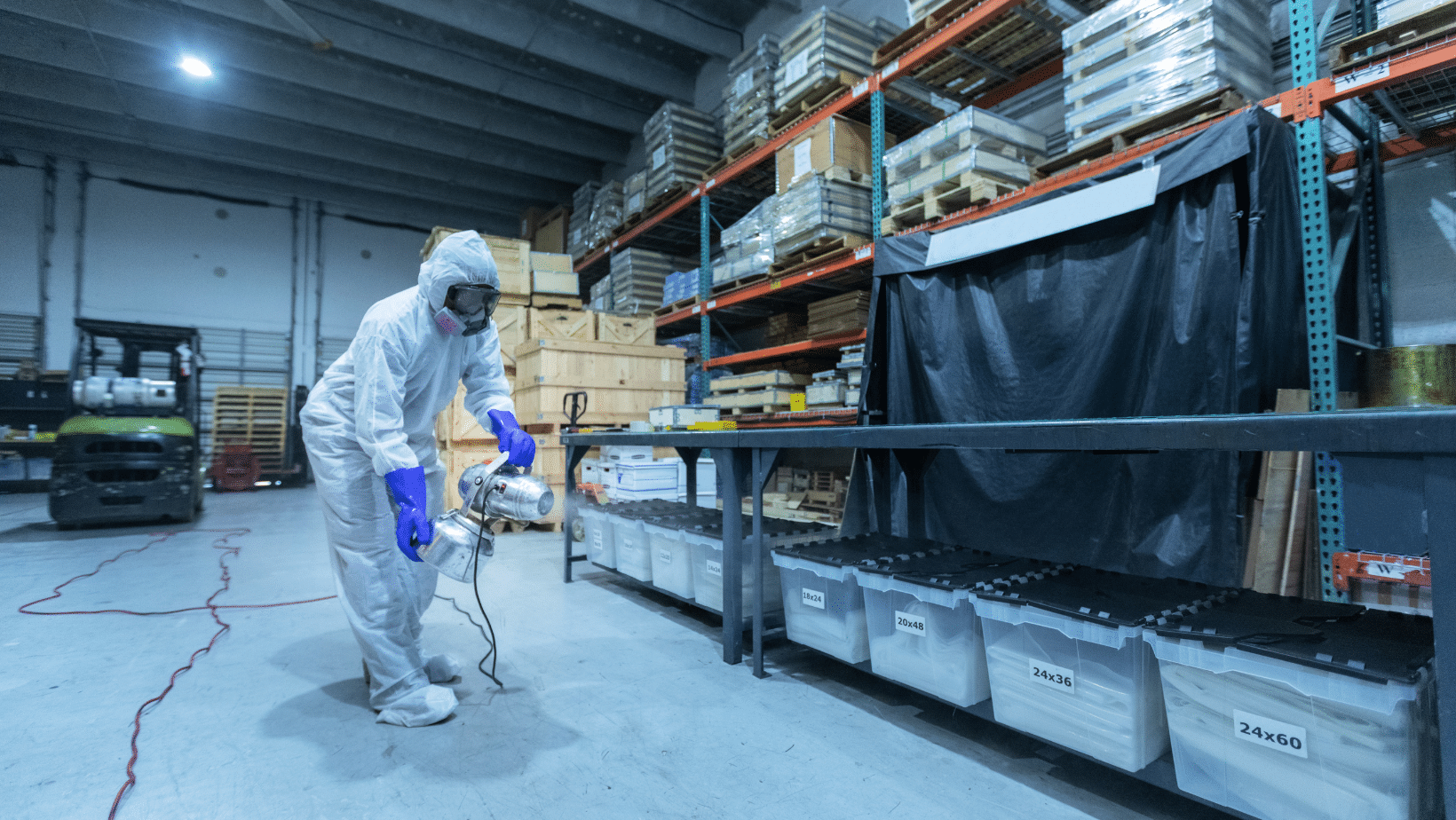
High-dust accumulation is one of the most overlooked aspects of warehouse maintenance. Dust collects in elevated areas such as beams, ductwork, lighting systems, and upper racking levels. Because these areas are out of reach, they are often ignored until buildup becomes significant.
Periodic inspection of overhead areas helps determine when cleaning is necessary. Removing dust from these surfaces prevents it from falling onto floors, inventory, and equipment.
High-dust removal also contributes to better air quality within the warehouse. Facilities with high ceilings and heavy activity often benefit from scheduled overhead cleaning as part of their maintenance program.
Equipment Cleaning Checklist
Warehouse equipment operates continuously and requires regular cleaning to maintain performance. Forklifts, conveyors, pallet jacks, and dock systems are exposed to dust, debris, and residue during daily operations.
Facility managers should ensure that equipment areas remain clean and free from buildup that could interfere with functionality. Cleaning these zones helps reduce wear, improve efficiency, and extend equipment lifespan.
Regular equipment maintenance also supports safer operation by reducing the risk of malfunctions or performance issues.
Adapting the Checklist to Your Facility
Every warehouse has unique operational requirements. Cleaning checklists should be adjusted based on factors such as facility size, traffic levels, and the type of goods handled.
High-volume distribution centers may require more frequent cleaning due to constant movement and increased debris. Facilities handling sensitive materials may need stricter cleaning standards to prevent contamination.
Customizing the checklist ensures that cleaning efforts are focused on the areas that matter most, allowing for more efficient use of time and resources.
When Professional Warehouse Cleaning Services Are Needed
As warehouses grow in size and complexity, maintaining consistent cleaning standards can become challenging. Internal teams may not have access to specialized equipment or the capacity to handle large-scale maintenance.
Professional cleaning services provide the expertise and tools required for industrial environments. From floor scrubbing to high-dust removal, professional teams ensure that all areas of the warehouse are maintained effectively.
For businesses seeking reliable warehouse cleaning and maintenance solutions in Mississippi, Griffin Solutions offers comprehensive services tailored to commercial and industrial facilities.
These services help maintain cleaner environments, improve safety, and support long-term operational success.
Final Thoughts
A warehouse cleaning checklist is more than a simple tool—it is a strategic approach to maintaining safe and efficient operations. By following structured daily, weekly, and monthly routines, facility managers can prevent issues before they arise and maintain consistent standards across the facility.
Regular cleaning improves safety, protects equipment, and enhances overall productivity. In fast-paced warehouse environments, consistency is key to long-term success.
Implementing a structured cleaning checklist ensures that warehouses remain organized, compliant, and prepared for ongoing operational demands.