Warehouse environments experience constant activity. Forklifts move pallets across concrete floors, packaging materials generate dust, and loading docks see continuous traffic from trucks and shipments. With so much movement, keeping a warehouse clean is not simply about appearance—it is about maintaining safety, protecting equipment, and ensuring efficient operations.
One of the most common questions facility managers ask is how often a warehouse should be cleaned. The answer depends on several factors, including traffic levels, industry requirements, and the type of materials handled within the facility. Establishing the right cleaning frequency helps warehouses maintain safe working conditions while avoiding unnecessary operational disruptions.
Why Cleaning Frequency Matters
Warehouses accumulate dirt, debris, and dust quickly. When cleaning is performed too infrequently, contaminants build up on floors, shelves, and equipment. Over time, this buildup can lead to safety hazards, reduced equipment efficiency, and poor air quality.
Regular cleaning supports safer working conditions and helps facilities align with workplace safety expectations established by the Occupational Safety and Health Administration (OSHA). While cleaning itself does not guarantee compliance, maintaining clean working surfaces reduces preventable hazards such as slips, blocked walkways, and dust accumulation.
A consistent cleaning schedule also helps protect inventory and maintain organized storage areas.
Daily Warehouse Cleaning Tasks
Certain cleaning activities should be performed every day to keep warehouse operations running smoothly. These tasks focus on maintaining safe walking and working surfaces.
Daily cleaning typically includes removing loose debris from floors, addressing spills quickly, and keeping loading dock areas clear of packaging materials. Walkways and forklift lanes should be checked to ensure they remain free from obstacles that could interfere with traffic flow.
Regular daily maintenance prevents small issues from becoming larger operational problems.
Weekly Cleaning Maintenance
In addition to daily upkeep, warehouses benefit from more detailed weekly cleaning. This level of maintenance focuses on areas that may not require constant attention but still accumulate dust and debris over time.
Weekly cleaning often involves deeper floor cleaning in high-traffic zones, cleaning staging areas where goods are temporarily stored, and addressing dust buildup on lower shelving and equipment surfaces. Waste handling areas and recycling zones should also be checked to ensure proper organization and cleanliness.
Weekly maintenance keeps the facility orderly and reduces the risk of long-term buildup.
Monthly Deep Cleaning
Even with daily and weekly maintenance, warehouses require periodic deep cleaning to address areas that experience heavy use or hidden contamination.
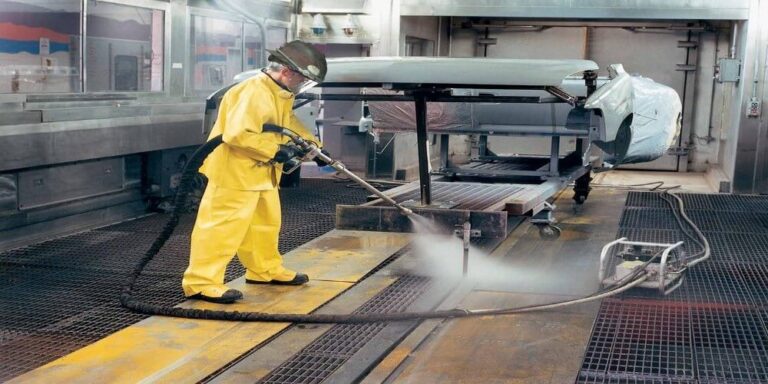
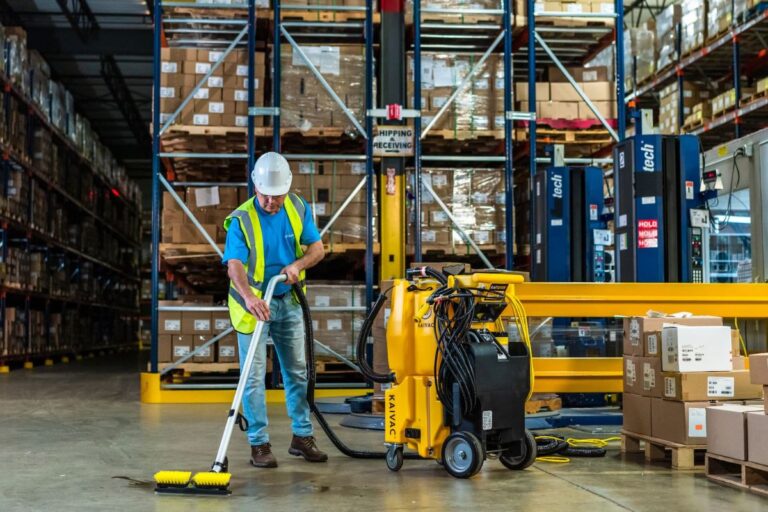
Monthly deep cleaning may involve industrial floor scrubbing to remove embedded dirt and grease, more extensive cleaning around machinery, and dust removal from elevated shelving levels. These deeper cleaning efforts restore surfaces and help maintain consistent safety conditions across the facility.
Facilities that handle high volumes of inventory often benefit from scheduled monthly deep cleaning as part of their maintenance plan.
Periodic High-Dust Removal
High ceilings are common in warehouse environments, and overhead areas such as beams, lighting fixtures, ventilation systems, and upper racking levels collect dust over time. This type of accumulation is known as high-dust.
High-dust removal is typically performed less frequently than floor cleaning but remains an essential part of warehouse maintenance. Depending on the level of dust generated in the facility, overhead cleaning may be scheduled several times per year.
Regular high-dust removal helps improve air quality, reduce fire hazards, and prevent dust from settling onto inventory and equipment.
Factors That Influence Cleaning Frequency
Not all warehouses require the same cleaning schedule. Several operational factors influence how often a facility should be cleaned.
High-traffic warehouses with constant forklift movement generate more dust and tire residue than facilities used primarily for storage. Distribution centers with continuous shipping and receiving activity also experience faster debris accumulation.
The type of goods stored in the warehouse plays a role as well. Facilities handling food products, packaging materials, or sensitive goods often require stricter cleaning routines to maintain cleanliness standards.
Warehouse size and layout also matter. Larger facilities with extensive racking systems may need structured maintenance programs to manage cleaning efficiently.
Signs Your Warehouse Needs More Frequent Cleaning
Facility managers should monitor conditions within the warehouse to determine whether cleaning schedules need adjustment.
Visible dust buildup on floors or shelves, increased slip hazards, reduced brightness from dust-covered lighting fixtures, and debris accumulating in traffic lanes are all indicators that cleaning frequency may need to increase.
Employee feedback can also provide valuable insight. Workers who spend time in the warehouse often notice environmental changes before management does.
The Value of a Structured Cleaning Schedule
A well-planned warehouse cleaning schedule creates consistency and helps prevent reactive maintenance. Instead of waiting for visible issues to develop, structured cleaning programs address potential problems before they affect operations.
Regular cleaning also improves facility organization. When debris and dust are consistently removed, storage areas remain easier to manage and inventory remains protected.
Over time, consistent maintenance contributes to safer work environments and more efficient operations.
When Professional Warehouse Cleaning Services Are Beneficial
Large industrial warehouses often require specialized equipment and experienced teams to maintain consistent cleaning standards. Industrial floor scrubbers, high-dust removal equipment, and structured maintenance plans help facilities manage cleaning more effectively.
Professional cleaning services can support daily maintenance, scheduled deep cleaning, and emergency cleanup when unexpected incidents occur. This level of support allows warehouse staff to focus on operational responsibilities while maintaining a safe facility environment.
For businesses seeking dependable warehouse cleaning services in Mississippi, Griffin Solutions provides commercial warehouse cleaning and maintenance solutions designed for demanding industrial environments.
Learn more about our warehouse cleaning services and how structured maintenance programs help facilities operate safely and efficiently.