Hazardous waste poses significant risks to employees, operations, and the environment when it is not handled correctly. For commercial and industrial facilities, proper hazardous waste segregation is essential to maintaining safe, compliant operations and avoiding costly violations.This guide outlines best practices that help businesses manage hazardous waste responsibly and reduce operational risk.
What Is Hazardous Waste?
Hazardous waste includes materials that are dangerous due to their chemical, physical, or biological properties. These materials require strict handling, storage, and disposal controls.
Common examples include:
Chemicals and solvents
Batteries and electronic waste
Oils, paints, and cleaning agents
Industrial by-products and residues
Because of the risks involved, hazardous waste must always be segregated from general and recyclable waste.
Why Hazardous Waste Segregation Is Critical
Failing to segregate hazardous waste can result in:
Employee exposure and injuries
Fire, spill, or contamination incidents
Regulatory penalties and fines
Operational shutdowns and liability risks
Proper segregation minimizes these risks and supports long-term compliance and safety.
Best Practices for Hazardous Waste Segregation
1. Identify All Hazardous Waste Streams
The first step is understanding what hazardous materials your facility generates.
Facilities should:
Review materials used in daily operations
Identify by-products and residues
Classify waste based on risk level
Accurate identification ensures hazardous waste is never mixed with general waste.
2. Use Designated Containers Only
Hazardous waste must be stored in approved, designated containers.
Best practices include:
Using containers designed for specific materials
Keeping containers sealed when not in use
Preventing overfilling
Dedicated containers reduce exposure and prevent cross-contamination.
3. Clear Labeling and Identification
Labeling is a core compliance requirement.
Effective labeling should include:
Waste type
Hazard warnings
Handling instructions
Clear labels ensure employees recognize hazards instantly and handle waste appropriately.
4. Separate Storage Areas
Hazardous waste should be stored in controlled areas away from:
General waste
Recyclables
High-traffic work zones
Restricted storage areas improve safety and reduce accidental exposure.
5. Establish Handling Procedures
Written handling procedures support consistency and compliance.
Procedures should define:
How hazardous waste is collected
How it is transported within the facility
Who is authorized to handle it
Consistency reduces errors and improves audit readiness.
6. Monitor and Review Regularly
Hazardous waste management requires ongoing oversight.
Regular reviews help:
Identify segregation issues
Prevent container deterioration
Ensure labels remain visible and accurate
Continuous monitoring reduces long-term risk.
Common Hazardous Waste Segregation Mistakes
Facilities often encounter issues such as:
Mixing hazardous and non-hazardous waste
Using incorrect containers
Inadequate labeling
Poor storage practices
These mistakes increase exposure risk and lead to compliance failures.
How Professional Segregation Services Reduce Risk
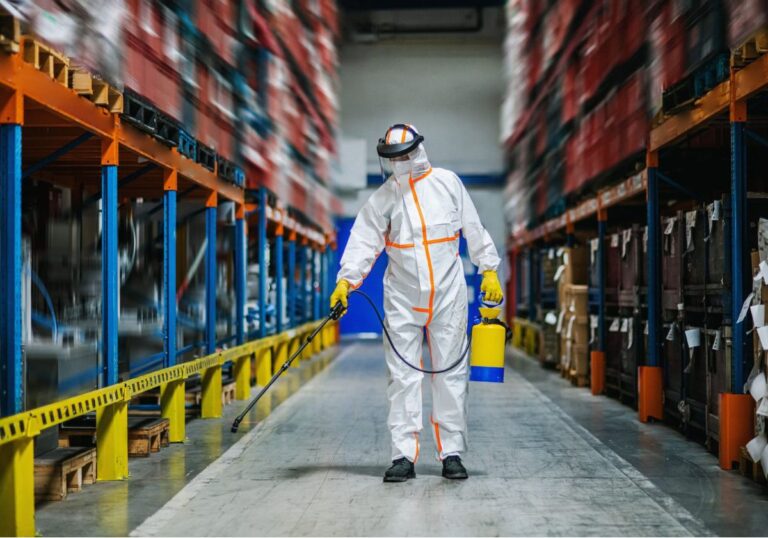
Managing hazardous waste internally can be complex and resource-intensive. Professional services help by:
Identifying hazardous waste streams
Designing compliant segregation systems
Implementing proper containers and labels
Supporting ongoing compliance and safety
Facilities that rely on structured, professional support experience fewer incidents and more consistent compliance.
Supporting Safe, Compliant Operations Through Proper Segregation
Effective hazardous waste segregation is essential for:
Protecting employees
Reducing environmental impact
Meeting regulatory expectations
Maintaining operational continuity
Businesses that prioritize hazardous waste segregation operate with greater confidence and stability.
For organizations seeking dependable, compliance-focused waste segregation solutions, Griffin Solutions provides professional waste segregation services for commercial and industrial facilities across Mississippi.